Honor Veterans With Meaningful Patriotic Home Displays
Create respectful decorations and heartfelt thank-you cards that celebrate service and sacrifice
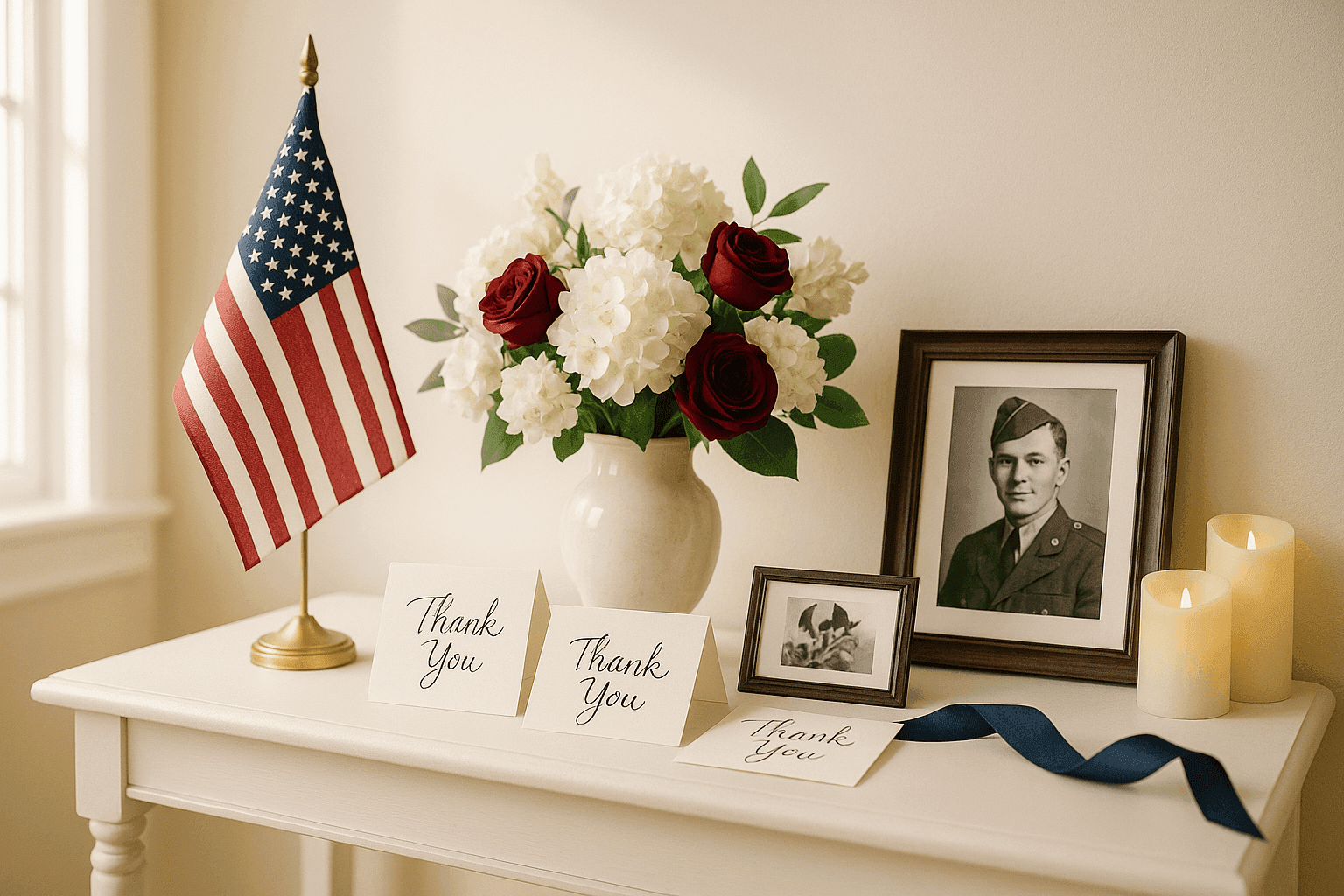
Veteran's Day deserves decorations that go beyond casual patriotic themes and instead create meaningful tributes that genuinely honor the service and sacrifice of military members past and present. Unlike the festive celebration of Independence Day, Veteran's Day calls for a more dignified, respectful approach to patriotic display—think thoughtful remembrance rather than party atmosphere, with decorations that spark conversations about service rather than just adding red, white, and blue to your space. What makes this project so important is that it gives families an opportunity to actively participate in honoring veterans through handmade thank-you cards, carefully arranged displays, and decorations that teach children why we observe this holiday and what it truly means. This entire decoration and card-making project costs under $25 using materials you likely already have plus a few inexpensive additions, takes an afternoon to complete, and creates displays that feel appropriately solemn and appreciative rather than overly commercialized or festive. I'm passionate about this approach because it shifts Veteran's Day from a date that passes largely unnoticed in many homes into an intentional observance where families take time to reflect, express gratitude, and create tangible expressions of appreciation that can be delivered to veterans in your community. You're not just decorating your home—you're building a family tradition of honoring service, teaching gratitude, and creating connections between generations through respectful remembrance and genuine appreciation.
Decoration Materials
- Flag Display Elements:
- American flag (3x5 foot or appropriate size, $10-15)
- Flag stand or mounting bracket if displaying outdoors
- Small handheld flags for table arrangements ($3-5 for pack)
- Flag etiquette guide for proper display
- Patriotic Arrangement Supplies:
- Red, white, and blue fresh or artificial flowers ($8-12)
- Clear or white vase or container ($5-8)
- Patriotic ribbon in respectful patterns ($3-5)
- Small American flags for arrangement accents
- Thank-You Card Materials:
- Blank white or cream cardstock ($4-6 for 50 sheets)
- Red and blue construction paper or cardstock ($2-3)
- Markers, colored pencils, or pens
- Star stickers or patriotic embellishments ($2-4)
- Envelopes for completed cards ($3-5)
- Display Accessories:
- Picture frames for family military photos ($5-10)
- White or navy tablecloth or runner ($6-10)
- LED candles for respectful ambiance ($5-8)
- Service branch emblems or insignia (if applicable)
Creating Your Display
- Choose Display Location: Select a prominent spot like your entryway table, mantel, or front porch where the display will be seen and appreciated but remains dignified rather than competing with everyday clutter—this placement signals that you're making space for something important and worthy of attention.
- Display Flag Properly: If hanging an American flag, follow proper etiquette with the union (star field) in the upper left when viewing from the front, ensuring the flag is clean, in good condition, and illuminated if displayed at night—proper flag display shows genuine respect rather than casual decoration.
- Create Patriotic Arrangements: Arrange red, white, and blue flowers in a simple vase, keeping the design clean and elegant rather than busy or overly elaborate—think dignified memorial arrangement rather than festive party centerpiece, using white flowers as the dominant element with red and blue as accents.
- Incorporate Personal Elements: Display photographs of family members who served in the military, positioning them prominently in simple frames alongside service medals, ribbons, or other military memorabilia that tell personal stories—these tangible connections make the observance meaningful rather than abstract.
- Design Thank-You Cards: Work with children to create handwritten cards with messages like "Thank you for your service," including hand-drawn flags, stars, or simple patriotic borders—encourage kids to write from the heart with specific gratitude rather than generic phrases, teaching them thoughtful appreciation.
- Add Informational Elements: Include a small printed card explaining what Veteran's Day honors and why we observe it, or list the five military service branches with their emblems—these educational touches spark conversations and help everyone understand the deeper meaning behind the decorations.
- Create Candlelight Tribute: Arrange LED candles (safer than real flames) in your display to represent remembrance and honor, positioning them where their soft glow creates a respectful, contemplative atmosphere especially meaningful during evening hours when families gather together.
- Plan Card Delivery: Identify local veterans to receive your handmade cards—deliver them to VA hospitals, veterans' homes, local VFW posts, or elderly veteran neighbors—making this personal connection transforms the project from craft activity into genuine act of appreciation that impacts real people.
Military families and veterans' organizations emphasize that the most meaningful Veteran's Day tributes focus on individual stories rather than generic patriotic symbols. Instead of just arranging red, white, and blue flowers, create a memory display that highlights specific veterans in your life—frame their military portrait alongside their service dates, branch, and a brief story about their experience written on beautiful cardstock. If you don't have family members who served, research and display information about a local veteran whose name appears on your town's war memorial, or highlight Medal of Honor recipients from your state. This personal specificity transforms abstract patriotism into genuine human connection that honors real sacrifice. For families creating thank-you cards with children, go beyond the craft aspect by incorporating a learning component—read age-appropriate books about veterans, watch short documentary clips about military service, or invite a veteran to visit and share stories before children write their cards. This context makes the gratitude authentic rather than rote, helping kids understand what they're actually thanking veterans for and why it matters. The color palette secret that interior designers use for respectful patriotic displays is anchoring with white or cream as the dominant color (representing purity and peace), then adding controlled touches of navy blue (not bright blue) and deep burgundy red (not bright red)—these sophisticated, muted tones convey dignity and solemnity appropriate for honoring sacrifice rather than celebrating a festive occasion.