Grow Your Own: A Beginner's Guide to Vegetable Gardening
From first raised bed to actual harvest — what nobody tells you upfront
Vegetable gardening has a reputation for being complicated, and it really doesn't deserve it. Most of the complexity comes from trying to grow the wrong things in the wrong conditions, or from over-engineering a first garden. Here's a straightforward, honest guide to starting a productive vegetable garden — focused on what actually works for beginners rather than what works in theory.
Start Small — Seriously
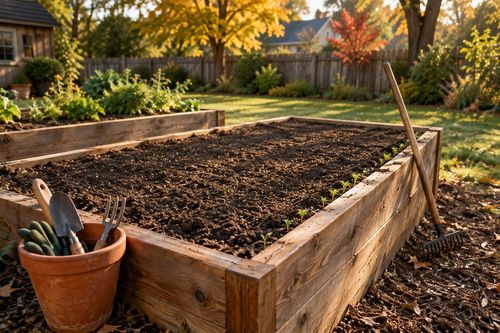
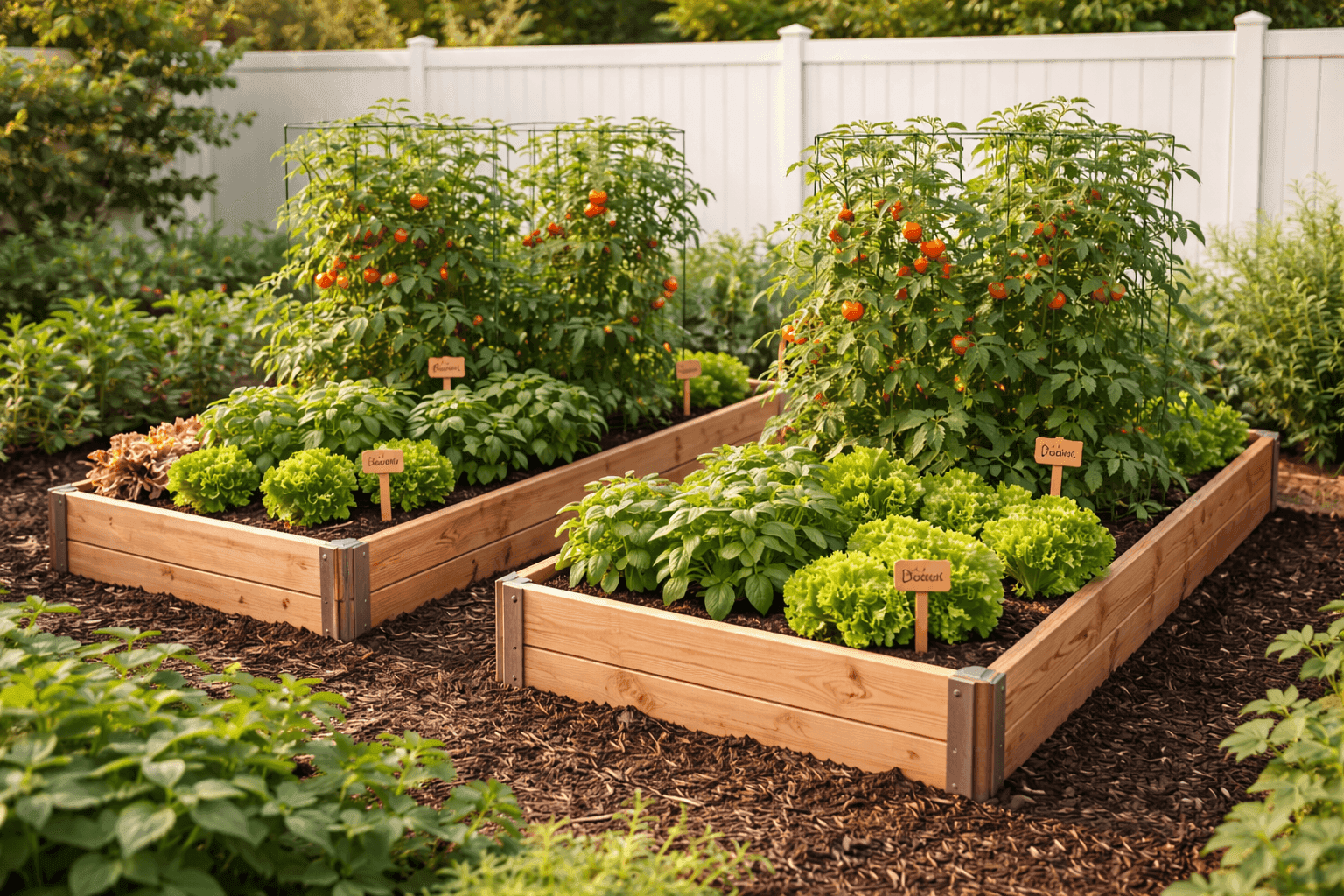
A 4x8 raised bed is the ideal starting point for a first vegetable garden. It's large enough to grow a meaningful amount of food but small enough to maintain comfortably. First-time gardeners consistently over-plant — more space than you can keep up with leads to weeds, overwhelm, and a feeling of failure that discourages you from trying again. One well-maintained small bed will produce more food than a neglected large one, and it gives you a season to learn what actually grows well in your specific conditions before expanding.
Start with the Easy Wins
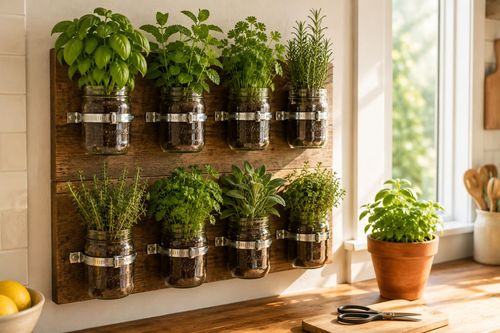
Some vegetables are forgiving, fast, and productive — exactly what a first garden needs. Zucchini produces so aggressively you'll be leaving it on neighbors' porches. Lettuce and salad greens grow quickly, tolerate partial shade, and can be cut repeatedly without pulling the plant. Cherry tomatoes are more disease-resistant and productive than large varieties. Herbs — basil, chives, mint, and parsley — grow easily, get used constantly in the kitchen, and cost nearly nothing to start. Hold off on broccoli, cauliflower, and other brassicas until your second year — they require more timing precision and pest management than beginners realize.
Soil Is Everything
Native yard soil is almost always the wrong thing to grow vegetables in — it compacts, drains poorly, and lacks the fertility vegetables need. Fill raised beds with a mix of topsoil, compost, and either perlite or coarse sand for drainage. A common and effective ratio: 60% topsoil, 30% compost, 10% perlite. The compost is the key ingredient — it provides nutrients, beneficial microbes, and water retention. Add a 2-inch layer of fresh compost to the top of the bed each spring before planting. Healthy soil is the single biggest predictor of vegetable garden success.
Watering: More Consistent, Less Frequent
Most vegetable garden problems attributed to disease or pests are actually caused by inconsistent watering. Tomatoes that crack? Inconsistent moisture. Blossom end rot on zucchini? Inconsistent moisture. Lettuce that bolts early? Stress from inconsistent moisture. Vegetables need about 1 inch of water per week — deeply and consistently. Water at the base of plants, not the leaves, to prevent fungal issues. A simple drip irrigation timer ($40–$60) is the single best investment for a vegetable garden — it delivers consistent moisture without requiring you to remember.
Keep a simple garden journal — a notebook or even a notes app — recording what you planted, when you planted it, and what happened. Note what produced abundantly, what struggled, and what you'd do differently. After one season, this record is invaluable: you'll know exactly which varieties did well in your conditions, which timing worked for your last frost date, and what pests showed up and when. Gardening success compounds with knowledge — every season you get better if you're actually tracking what you learn.