Grill Seeker: Deep Clean Your BBQ Before Season Opens
Remove the grates, soak them, scrub out the grease trap, check the burners, oil the clean grates — 90 minutes and $15 before the first burger of the season
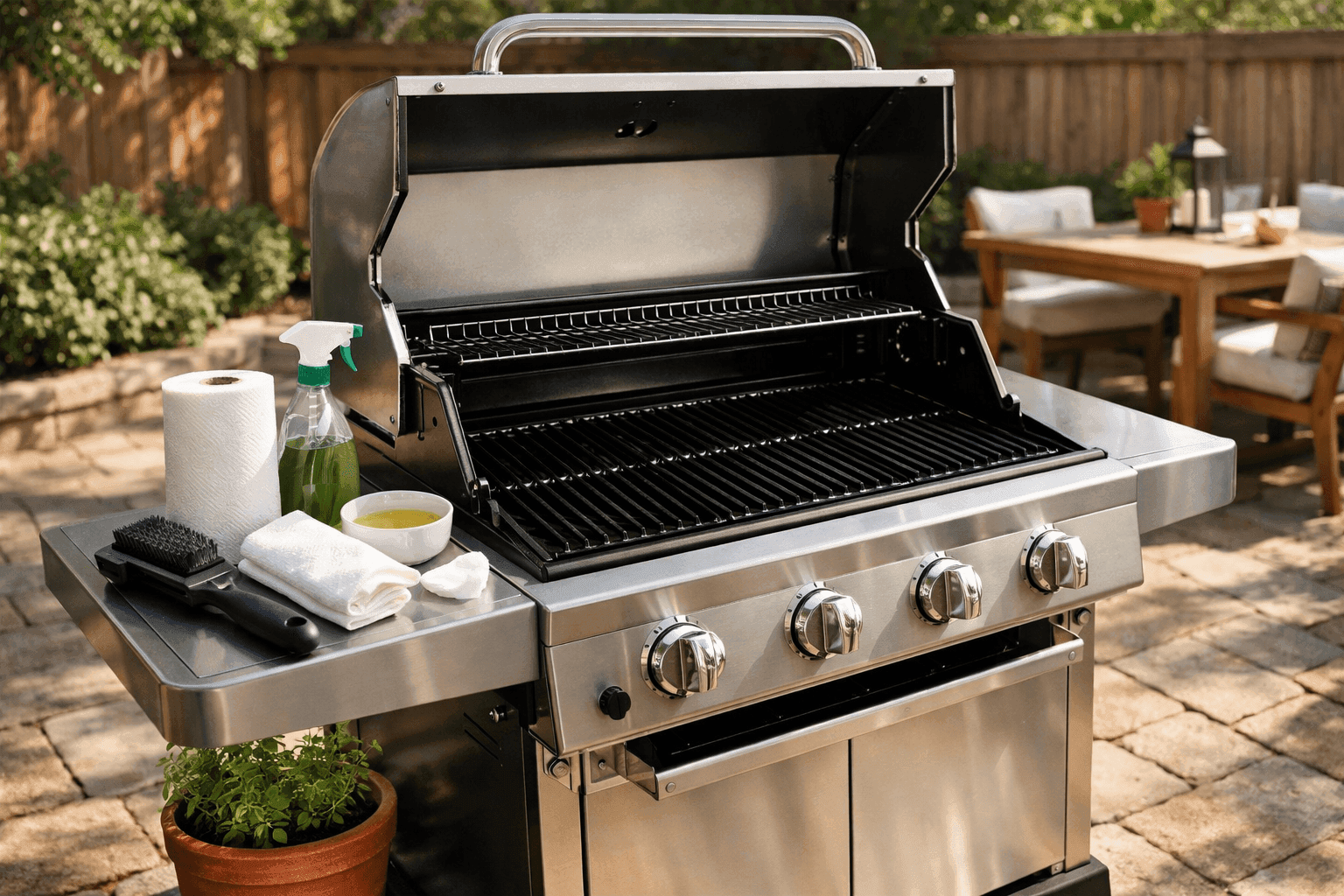
The grill that sat covered all winter has had months to let last season's grease congeal, the burner covers to accumulate rust and debris, and the grease trap to reach a state that you'd genuinely rather not think about. Opening a grill that hasn't been properly cleaned since Labor Day is a specific kind of confrontation with past choices — and the impulse to close the lid and try cooking on it anyway is understandable but wrong. Last season's carbonized grease affects the flavor of everything you cook, creates flare-up risks from accumulated drippings, and gives you a starting point that every subsequent cookout makes worse rather than better. A proper pre-season deep clean takes about 90 minutes, costs around $15 in supplies you mostly already own, and produces a grill that cooks noticeably cleaner, runs at more consistent temperatures, and makes better food from the very first session. This is the Saturday morning project that pays off at every single cookout for the rest of the season — starting with the first burger off truly clean grates, which genuinely does taste better than you remembered.
What You'll Need
- Cleaning Tools
- A stiff wire grill brush or grill cleaning block — the primary tool for removing carbonized grease from grates. Look for a brush with a scraper edge on the back for the most versatile tool in a single piece — ~$8–$15. Replace your grill brush if the bristles are bent, sparse, or coming loose — a brush that sheds wire bristles onto cooking grates is a food safety hazard that no amount of cleaning justifies continuing to use
- A large stiff-bristle utility brush or old dish brush for scrubbing the interior walls, burner covers, and flavor bars — a dedicated grill brush is too narrow for these large flat surfaces
- A plastic putty knife or stiff plastic scraper for scraping the accumulated carbonized grease off the interior walls and bottom tray without scratching the porcelain or painted surfaces
- Steel wool or a chain mail scrubber for cast iron grates specifically — wire brushes can scratch the seasoning on cast iron surfaces, while chain mail scrubbers clean aggressively without damage
- Cleaning Products
- Dish soap and very hot water for the grate soak — Dawn or any degreasing dish soap cuts through carbonized grease better than any specialty product for this application — free or ~$3–$4
- Grill degreaser spray — ~$6–$10 per can at hardware stores — for the interior walls, burner covers, and flavor bars where scrubbing alone doesn't break up the baked-on grease without chemical assistance. Simple Green or a dedicated grill degreaser both work well
- White vinegar in a spray bottle as a free degreaser alternative — less powerful than dedicated degreaser on heavy buildup but completely food-safe and effective for light to moderate grease accumulation
- Paper towels — many of them — for wiping surfaces after scrubbing and applying the finishing oil coat to the grates
- Finishing & Safety Supplies
- High smoke point cooking oil — vegetable, canola, or flaxseed oil — for seasoning the cleaned grates before the first cookout. A light coat of oil baked onto clean grates creates a non-stick surface and protects against rust — ~$3–$5 or free from your pantry
- Rubber or nitrile gloves — grill grease and degreaser are both unpleasant on bare skin and the combination requires significant scrubbing to remove from hands
- A large plastic garbage bag or a plastic storage bin for soaking the grates — large enough to submerge the grates fully in hot soapy water during the rest of the cleaning process
- A grill cover if you don't already own one — ~$20–$40 — the single maintenance purchase that reduces the need for deep cleaning significantly by keeping moisture, debris, and pest intrusion out of the grill between uses
- For Safety Inspection
- Soapy water in a spray bottle for testing gas connections — spray on connections while the gas is on and watch for bubbles that indicate a leak requiring immediate attention before the grill is used
- A flashlight for examining burner tubes for spider webs, insect nests, and blockages that are the most common cause of uneven heating and dangerous flare-ups in stored grills
- A thin wire or pipe cleaner for clearing any blockages found in burner tube openings
How to Do It
- Start the grate soak immediately so the soaking time runs concurrently with the rest of the cleaning — remove the grates, place them in a large plastic bag or bin, fill with very hot water and a generous squirt of dish soap, and set aside. The longer the soak the better, so getting the grates into hot soapy water as the very first step means by the time you've finished cleaning everything else they've been soaking for 45–60 minutes and the carbonized grease has loosened to the point where a wire brush removes it with minimal effort.
- Inspect the burner tubes thoroughly before applying any cleaning product — shine your flashlight along the full length of each burner tube and look into each gas port for spider webs, mud dauber nests, and insect debris that are the most common cause of dangerous uneven flames and unexpected flare-ups in a grill that sat covered for months. Clear any blockages with a thin wire or pipe cleaner, working carefully so you don't enlarge the ports. A burner tube that's clear along its full length is the safety check that makes every cookout safe rather than just probably fine.
- Remove the burner covers and flavor bars and set them aside for soaking or degreaser treatment — spray both sides generously with grill degreaser and let them sit while you tackle the interior. These components sit directly over the burners and accumulate more concentrated grease than any other part of the grill, and treating them with a dwell time rather than scrubbing immediately produces dramatically better results with significantly less physical effort.
- Scrape the interior walls and bottom tray using your plastic scraper to remove the carbonized grease layer that has accumulated on every interior surface — work from top to bottom so debris falls to the bottom tray, and collect everything in the tray for disposal rather than letting it fall through to the ground where it attracts pests. The interior of a neglected grill contains a surprisingly large volume of accumulated grease that the scraper will remove in satisfying slabs — wear gloves for this step and have a trash bag open and nearby.
- Spray degreaser on the interior walls after scraping and let it dwell for five minutes before scrubbing with the utility brush — the combination of scraping first and then treating with degreaser removes the heavy layer mechanically before the chemical treatment, which means the degreaser can penetrate the remaining thin film rather than trying to work through the full accumulated depth. Wipe the interior walls down with paper towels after scrubbing and repeat the degreaser application on any areas that still show significant buildup.
- Scrub the burner covers and flavor bars after their dwell time — the degreaser will have softened the baked-on grease significantly and a stiff brush should move it without requiring aggressive force. Rinse these components thoroughly with clean water before returning them to the grill — degreaser residue on components that sit directly over burners will smoke and smell unpleasant during the first cookout if not rinsed completely.
- Scrub the soaked grates with your wire brush or chain mail scrubber — after 45–60 minutes in hot soapy water the carbonized grease should release with moderate scrubbing effort rather than the aggressive force required on a dry grate. Work in the direction of the grate bars rather than across them for most effective cleaning, rinse thoroughly, and dry completely with paper towels before oiling — wet grates rust quickly and rust defeats the purpose of the deep clean within days of completing it.
- Season the clean grates and test all connections — apply a thin coat of high smoke point oil to every surface of the clean dry grates with a paper towel, checking the gas connections with soapy water spray while the gas valve is open and watching for any bubbles that indicate a leak before the grill is used. Return the oiled grates to the clean grill, fire it up on high for 15 minutes to burn off any remaining residue and bake the oil coating into the grate surface, and close the lid on a grill that is ready for its best season yet.
Professional grill technicians who service high-end grills for restaurants and catering companies follow one end-of-season procedure that eliminates the horrifying spring-opening moment entirely — and it takes about fifteen minutes at the end of the last cookout of the season while the grill is still warm. Before covering for winter, run the grill on high for ten minutes with the lid closed to carbonize any remaining food residue into ash that brushes away easily, then brush the grates while they're still warm when the residue releases most readily. Wipe the interior walls with a paper towel dampened with cooking oil while they're warm — the oil coat protects all interior metal surfaces from rust through the entire storage period. Remove the grease trap, empty and wash it, and return it clean. Then cover the grill. A grill that goes into storage clean and oiled opens in spring to surfaces that need a quick brush rather than a 90-minute remediation project, and that fifteen-minute end-of-season ritual is the entire difference between the two experiences.