Garden Hack: Cold Frame That Adds 6 Weeks to Your Season
Build a simple greenhouse box that protects seedlings and extends spring planting
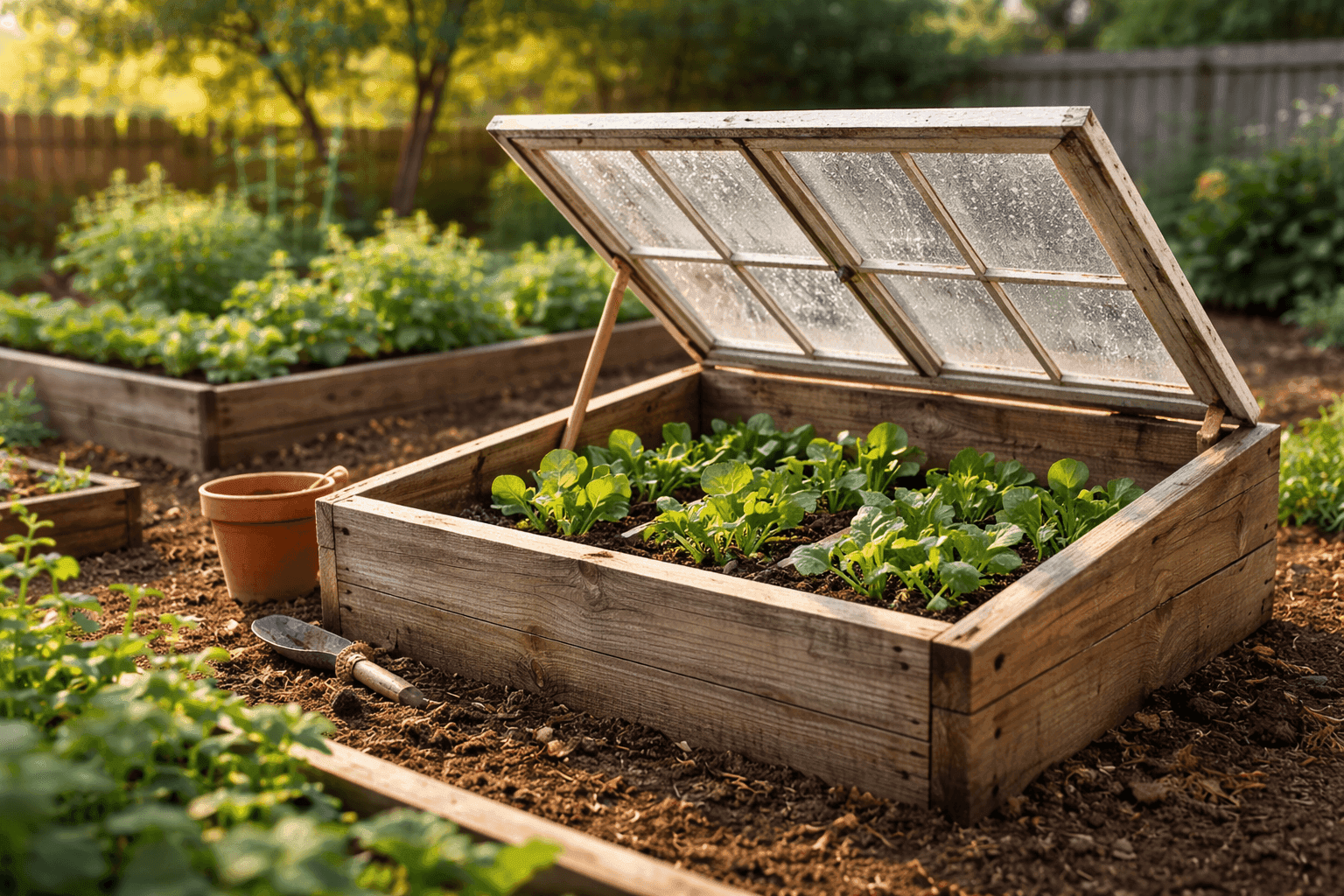
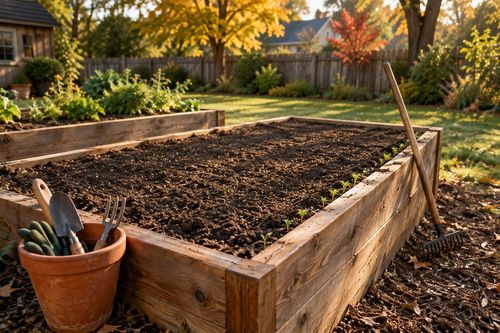
Every serious gardener knows the frustration of watching perfect planting weather slip by while you wait for the last frost date, but a cold frame solves this problem so elegantly it feels like cheating. This simple box with a transparent lid creates a protected microclimate that's typically 10-15 degrees warmer than the outside air, letting you start lettuce, spinach, and other cold-hardy crops weeks earlier in spring and keep them growing weeks later in fall. I built my first cold frame using an old window I found at a garage sale, and that initial $25 investment has paid for itself dozens of times over in extended harvest seasons and earlier homegrown salads. The construction is straightforward enough for beginning woodworkers—basically four sides and a hinged top—and you'll have it finished in a single afternoon. Think of it as a starter greenhouse that costs a fraction of the price and delivers immediate results.
What You'll Need
- Old window or storm window: Single pane works best, sized between 24x36 inches to 36x48 inches (check Habitat ReStore, garage sales, or salvage yards—$5-15, or free if you have one)
- Untreated lumber: Four 1x12 boards cut to match window dimensions, plus two 1x2 boards for back support (approximately $15-25 depending on size)
- Wood screws: 2-inch exterior-grade screws, about 16 total ($3-4 for a small box)
- Two hinges: 2-3 inch exterior hinges with screws included ($4-6)
- Wood stake or stick: For propping window open on warm days (scrap wood works perfectly)
- Tools needed: Saw (hand saw or circular saw), drill with bits, measuring tape, pencil, level
- Optional weatherproofing: Exterior wood stain or sealant to extend frame life ($8-12 if not already owned)
Step-by-Step Instructions
- Measure your window precisely and cut your four 1x12 boards to create a box frame that matches the window's outer dimensions—the window will rest directly on top of these boards, so accuracy matters here
- Cut the back board at an angle by marking a line from 12 inches high at one end down to 8 inches at the other end, creating the signature sloped cold frame shape that maximizes sun exposure and rain runoff
- Assemble the four sides by drilling pilot holes and driving screws through the taller back and front boards into the ends of the side pieces—this prevents splitting and creates a sturdy rectangle
- Attach support strips by screwing the two 1x2 boards across the top edges of the back board, creating a ledge where your window will rest and preventing it from sliding backward when closed
- Mount the hinges along the back top edge by screwing one half into your support strip and the other half into the window frame—this allows the window to lift open for ventilation while staying attached
- Test the operation by opening and closing your window several times, making sure it moves smoothly and rests evenly on the frame when closed—adjust hinge placement if needed before final tightening
- Position in your garden facing south for maximum sun exposure, either setting it directly on level ground or sinking it 2-3 inches into soil for better insulation and stability
- Monitor temperature by propping the window open with your stick on sunny days when temps exceed 50°F—cold frames can quickly overheat and cook your seedlings if left closed in direct sun
Master gardeners often upgrade basic cold frames with automatic vent openers—these temperature-sensitive pistons cost about $35 and automatically lift the window when internal temps hit 70°F, then close it again as things cool down, which is game-changing if you work during the day and can't manually ventilate. You can also paint the inside of your wooden frame white or line it with aluminum foil to reflect additional light onto your plants, boosting growth rates by 15-20% in early spring when every bit of sun matters. For serious season extension, position your cold frame against a south-facing wall of your house or garage—the building acts as a heat sink, releasing stored warmth overnight and creating an even more protected environment. If you're building multiple frames, standardize your window sizes so lids are interchangeable, making repairs and replacements much easier down the line.