Garden Fresh: Grow Your Own Culinary Paradise This Summer
Transform any space into an aromatic herb haven where fresh flavors are always just steps away from your kitchen
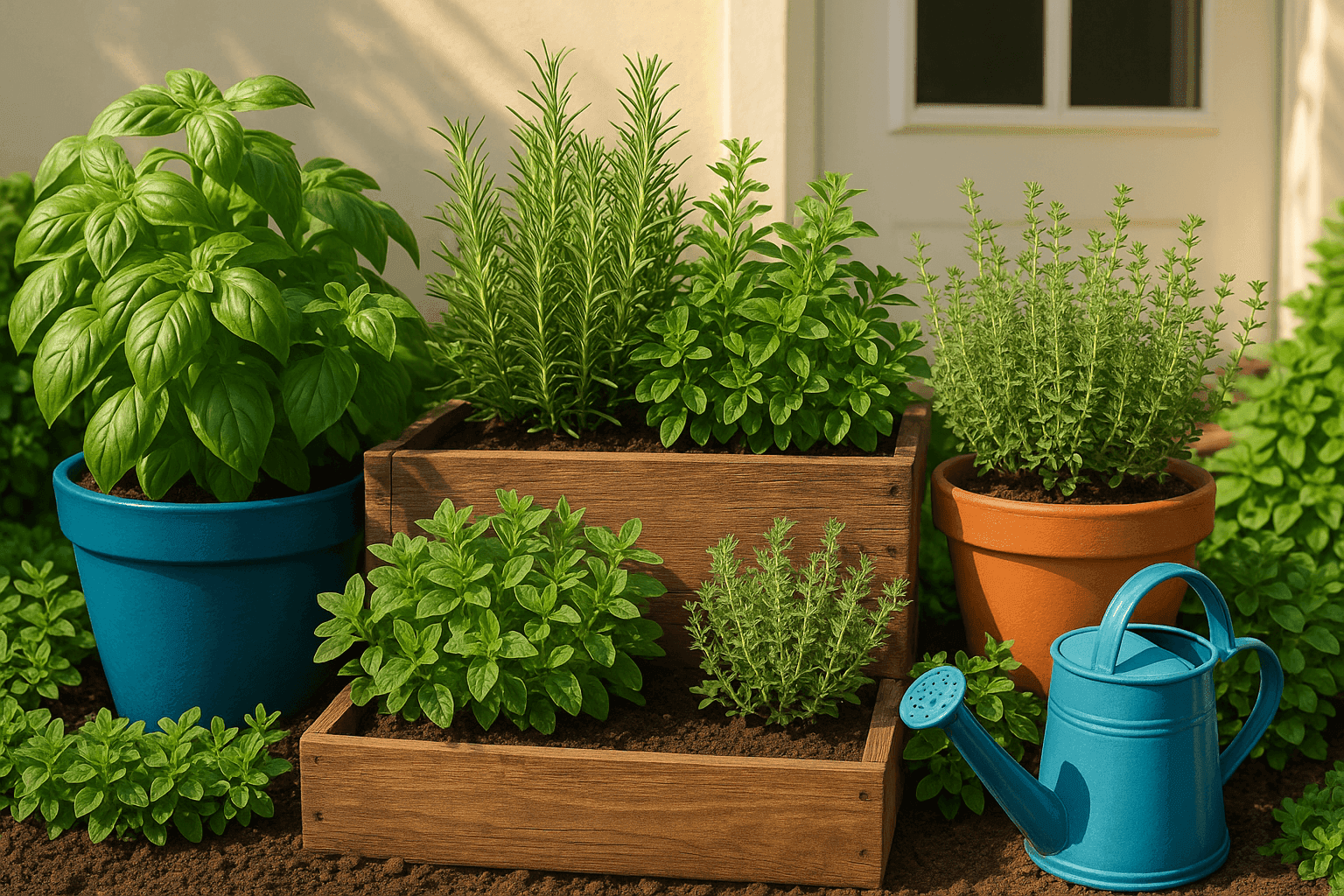
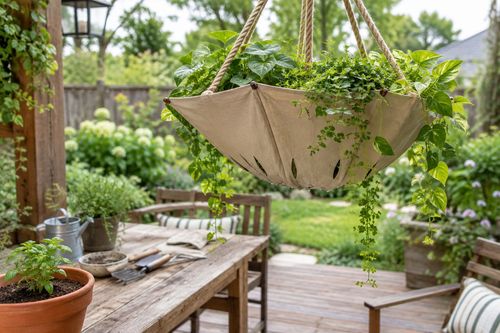
There's something almost magical about stepping outside your kitchen door and snipping fresh basil for your pasta sauce or grabbing a handful of mint for your evening mojito – it's like having a personal chef's garden right at your fingertips. I started my first herb garden five years ago with just three pots on my apartment balcony, and it completely transformed not only how I cook but how I experience my outdoor space every single day. The beauty of herb gardening lies in its instant gratification and incredible return on investment; a $3 basil plant can provide hundreds of dollars worth of fresh herbs throughout the season, and the difference in flavor between store-bought and garden-fresh herbs is absolutely mind-blowing. Whether you're working with acres of backyard space or just a sunny windowsill, herb gardening offers that perfect combination of practical benefits and pure sensory pleasure that makes every meal feel more special. Once you taste tomatoes with basil you picked moments before serving, or brew tea with mint leaves still warm from the sun, you'll understand why herb gardens have been the heart of kitchens for thousands of years.
Garden Essentials
- Starter Herbs: Basil, rosemary, thyme, oregano, parsley, cilantro ($3-8 per plant)
- Containers: Well-draining pots or raised bed materials ($15-100 depending on size)
- Quality Soil: Organic potting mix or compost-enriched garden soil ($10-30)
- Basic Tools: Hand trowel, pruning shears, watering can ($20-50)
- Plant Labels: Weatherproof markers for identification ($5-15)
- Watering System: Drip irrigation or self-watering containers ($25-80)
- Organic Fertilizer: Herb-specific or general organic plant food ($10-25)
- Pest Protection: Companion plants or organic pest control options ($15-40)
Planting Process
- Choose a location with 6-8 hours of daily sunlight and easy kitchen access
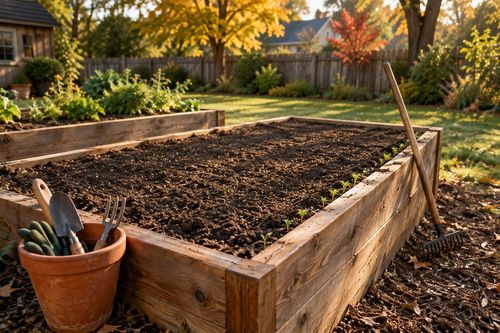
- Prepare containers with drainage holes or build raised beds with good soil
- Plant herbs according to their spacing needs, starting with easy varieties
- Water consistently but avoid overwatering – herbs prefer slightly dry conditions
- Harvest regularly by pinching off leaves and stems to encourage growth
- Fertilize monthly with organic plant food during growing season
- Prune flowers to keep leaf production strong and flavors concentrated
- Expand your collection as you gain confidence and discover favorites
Professional herb gardeners follow the "succession planting" strategy – plant basil and cilantro every 2-3 weeks throughout the growing season for continuous harvests rather than one big planting that bolts all at once. Also, create a "chef's triangle" by positioning your most-used herbs (typically basil, parsley, and chives) closest to your kitchen door or window. The secret to abundant harvests is counterintuitive: harvest more, not less. Regularly pinching herbs triggers more growth and prevents flowering, which makes leaves bitter. Finally, group herbs by water needs – Mediterranean herbs like rosemary and thyme prefer drier conditions, while basil and parsley need consistent moisture.