Future Gardens: Preserve Summer Seeds
Capture this season's success and create next year's garden treasures through the ancient art of seed saving!
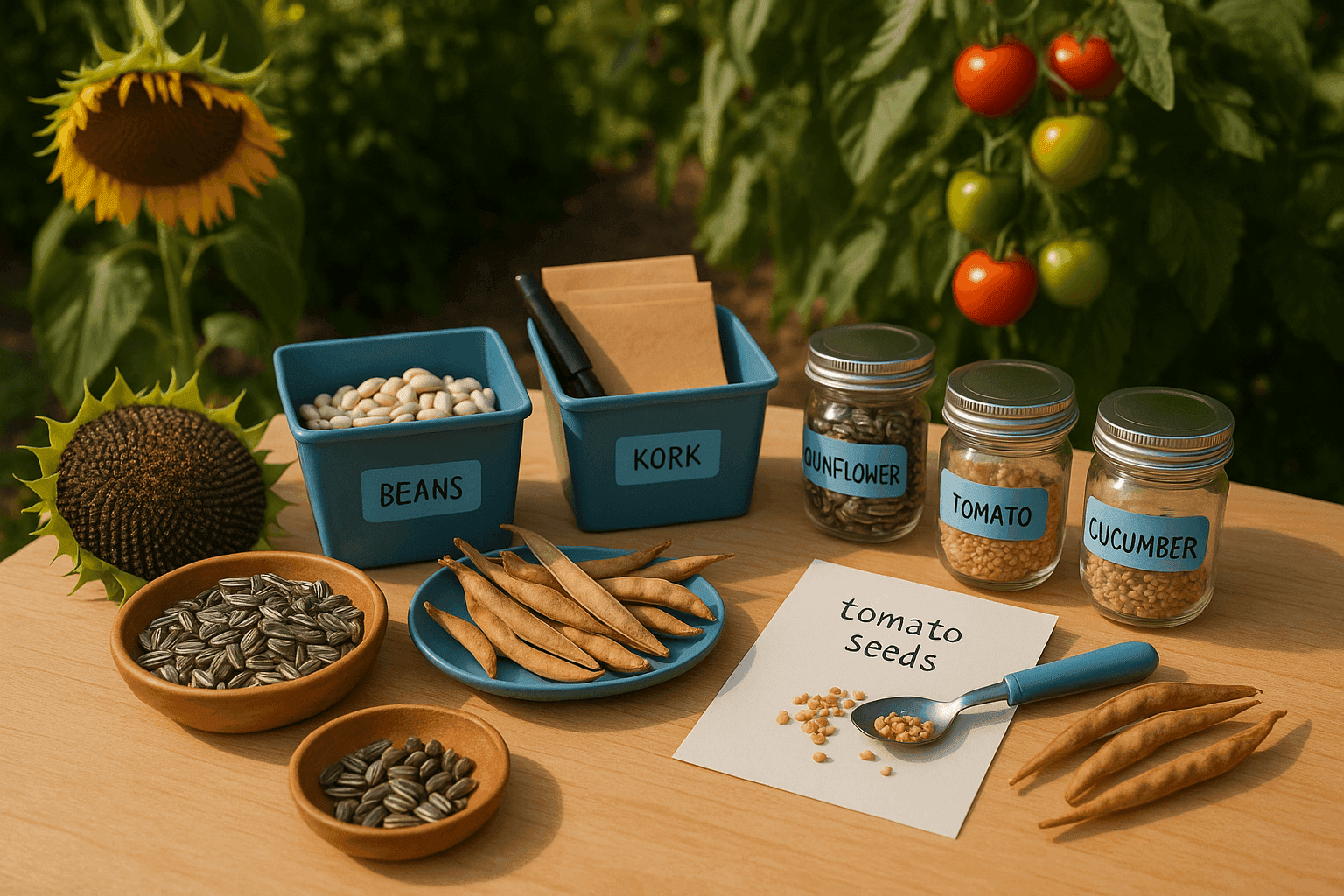
The first time I saved seeds from my grandmother's heirloom tomatoes, I felt like I was participating in an ancient ritual that connected me to generations of gardeners who understood that every plant holds the promise of next year's harvest. There's something deeply satisfying about collecting seeds from your most successful plants – you're essentially creating your own personalized seed library while ensuring that the varieties that thrived in your specific conditions will return even stronger next season. This practice costs virtually nothing but can save you $50-100 annually in seed purchases while teaching kids the magical cycle of life that turns tiny seeds into abundant harvests. Plus, you become part of a vital tradition that preserves genetic diversity and keeps heirloom varieties alive for future generations.
What You'll Need
- Collection Supplies: Small bowls, fine mesh strainers, tweezers for delicate seed removal
- Storage Materials: Small envelopes, glass jars with tight lids, labeled containers (~$5-8)
- Drying Equipment: Paper towels, screens, or newspaper for air-drying seeds
- Organization Tools: Permanent markers, labels, notebook for tracking varieties and dates
- Moisture Control: Silica gel packets or rice for preventing mold in storage
- Reference Materials: Seed saving guide or app for specific timing and techniques
Step-by-Step Method
- Select your best-performing plants with desirable traits like flavor, disease resistance, or productivity
- Harvest seeds at peak maturity – fully ripe tomatoes, dried flower heads, mature bean pods
- Extract seeds carefully, removing all pulp and debris for clean, viable seeds
- Clean thoroughly by rinsing in water and removing any floating or damaged seeds
- Dry completely on paper towels or screens in a warm, well-ventilated area
- Test dryness by ensuring seeds snap rather than bend when fully dried
- Package in labeled envelopes or jars with variety name, harvest date, and source location
- Store in cool, dry location and test germination rates before spring planting
Master seed savers know that only heirloom (open-pollinated) varieties produce seeds that grow true to type – hybrid plants won't reproduce their parent characteristics. Also, timing is crucial: collect bean and pea seeds when pods are brown and papery, flower seeds when heads are completely dry, and tomato seeds from overripe fruits for best viability. Keep detailed records including the parent plant's performance notes – this information becomes invaluable for selecting your best varieties year after year!