Fridge Glow-Up: Bold Vinyl Transforms Boring Appliances
Create custom designer looks with removable color-blocking magic
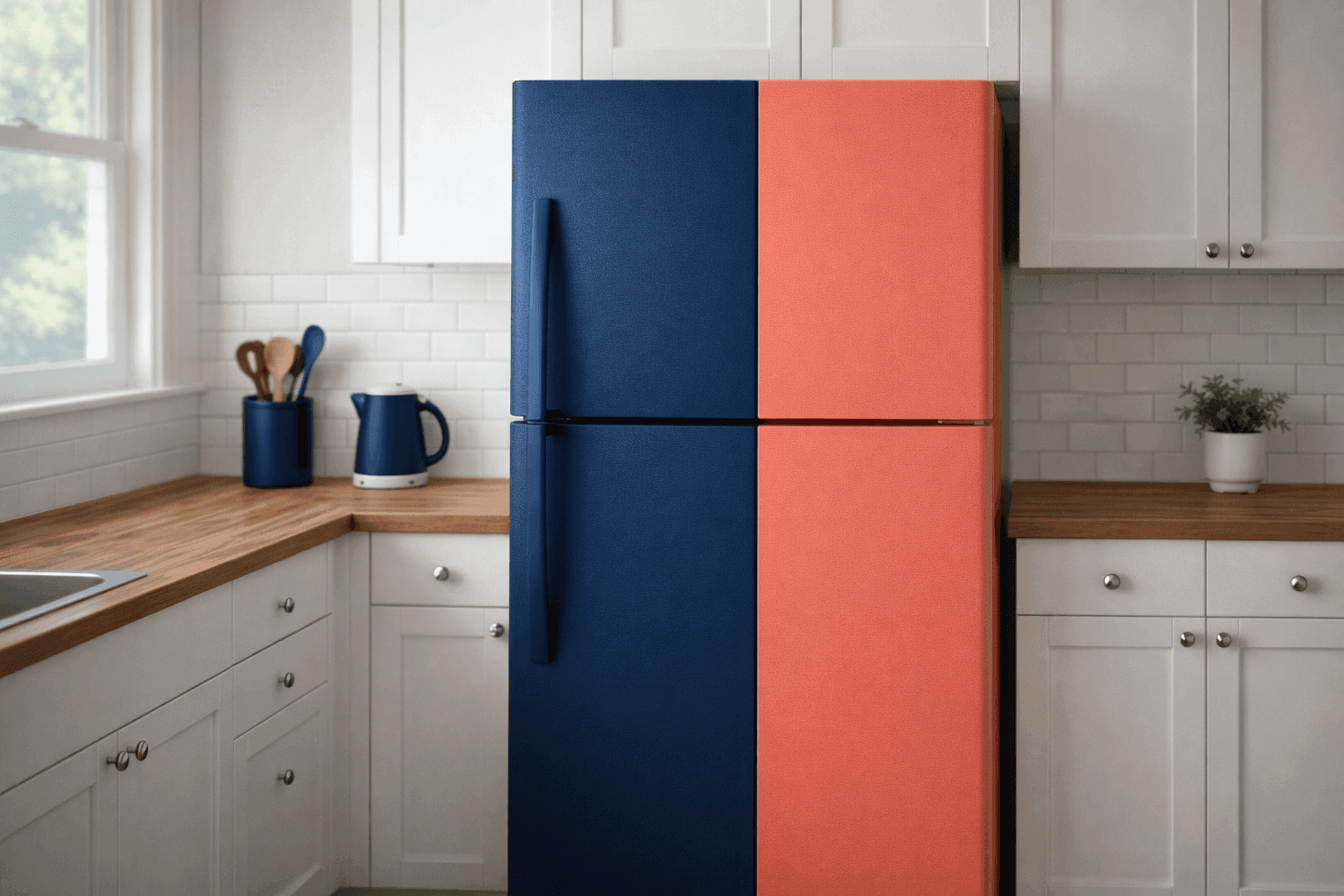
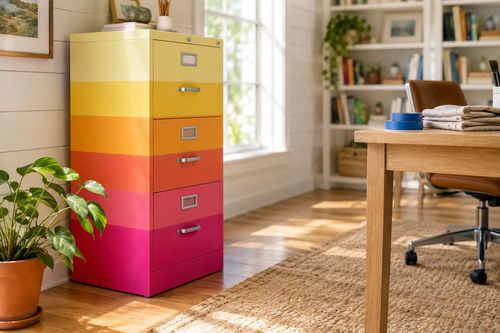
That boring white refrigerator dominating your kitchen doesn't have to stay boring just because replacing it with a $3,000 statement appliance isn't in your budget. Removable vinyl transforms standard appliances into custom color-blocked masterpieces that look like expensive designer fridges while costing just $25-40 and remaining completely renter-friendly since everything peels off cleanly when you move. This isn't subtle—it's bold, it's dramatic, and it makes your refrigerator the intentional focal point of your kitchen rather than the bland necessity you try to ignore. The geometric color-blocking trend that dominates high-end kitchen design magazines becomes accessible through strategic tape placement and contrasting vinyl colors that reflect your personality rather than accepting whatever appliance manufacturers decided represents "neutral." Whether you're going for millennial pink and sage green softness, cobalt blue and mustard yellow drama, coral and teal tropical vibes, or sleek black and white monochrome sophistication, this transformation takes 1-2 hours and creates the ultimate conversation starter that guests cannot stop photographing. The removable aspect means you can change colors seasonally, update when trends shift, or revert to plain white when your lease ends—flexibility that permanent paint or expensive custom appliances simply cannot offer.
What You'll Need
- Vinyl Materials ($25-40):
- Removable matte vinyl sheets in 2-3 bold colors
- Calculate square footage of your fridge faces first
- Matte finish looks more sophisticated than glossy
- Purchase extra for mistakes and future repairs
- Application Tools:
- Painter's tape for marking geometric sections
- Squeegee or old credit card for smoothing
- Sharp craft knife or precision cutting tool
- Metal ruler or straightedge for clean cuts
- Prep Supplies:
- Rubbing alcohol for thorough surface cleaning
- Microfiber cloths (lint-free)
- Measuring tape for planning layout
- Pencil and paper for sketching design first
- Color Combos That Pop:
- Millennial pink + sage green (soft modern)
- Cobalt blue + mustard yellow (bold energy)
- Coral + teal (tropical vibes)
- Black + white (timeless chic)
- Navy + blush (sophisticated contrast)
Transform Your Fridge
- Measure your refrigerator's front, sides, and any surfaces you want to cover, sketching a design plan on paper first to visualize proportions before committing to tape and vinyl—impulsive application leads to regrettable results.
- Clean every surface thoroughly with rubbing alcohol using lint-free cloths, removing all grease, fingerprints, and residue that prevent vinyl from adhering properly—this step determines whether your makeover lasts years or peels within weeks.
- Design your geometric layout using painter's tape to mark bold sections—vertical color blocks create height, diagonal stripes add energy, or try modern splits with 2/3 in one color and 1/3 in contrasting shade for asymmetric sophistication.
- Cut vinyl pieces slightly larger than needed for each section, allowing overlap for trimming rather than cutting perfectly beforehand and discovering you measured short—excess material prevents gaps that ruin the polished look.
- Apply vinyl starting from the top and working down, peeling backing slowly while using a squeegee to smooth from center outward, eliminating air bubbles that create unsightly bumps and compromise adhesion over time.
- Trim excess vinyl precisely using a sharp craft knife and metal straightedge, cutting along tape lines for clean geometric edges that look professionally installed rather than obviously DIY with ragged boundaries.
- Seal all edges by pressing firmly with your squeegee or fingers, paying special attention to corners and seams where peeling typically starts—proper edge sealing is the difference between temporary decoration and durable transformation.
- Remove painter's tape carefully while vinyl is still fresh, revealing crisp lines between color blocks—waiting too long can cause tape to stick permanently or pull up vinyl edges when removed.
Interior designers create cohesive looks by pulling vinyl colors from existing kitchen elements—if you have blue cabinets, echo that in your color block; if your backsplash has coral tones, incorporate them into your fridge design for intentional coordination rather than random color choices that clash. For maximum impact without overwhelming small kitchens, use one bold color with white or black rather than multiple bright colors competing for attention. Consider extending the color-blocking to other appliances like dishwashers or freezers for a comprehensive custom appliance suite that looks professionally designed. The most sophisticated color-blocking uses the golden ratio (roughly 60/40 or 2/3 to 1/3 proportions) rather than 50/50 splits that feel static and uninteresting. If you're nervous about commitment, start with just the freezer door or one section to test your color choices and application technique before covering the entire refrigerator—success builds confidence for tackling larger surfaces. Remember that matte vinyl hides fingerprints and smudges far better than glossy finishes, making it more practical for high-traffic appliances that get touched constantly throughout the day.