Fresh Cabinet Liner Transforms Kitchen Before Holiday Hosting
Install clean shelf liner now while rotating holiday dishware for cabinets that look and feel brand new
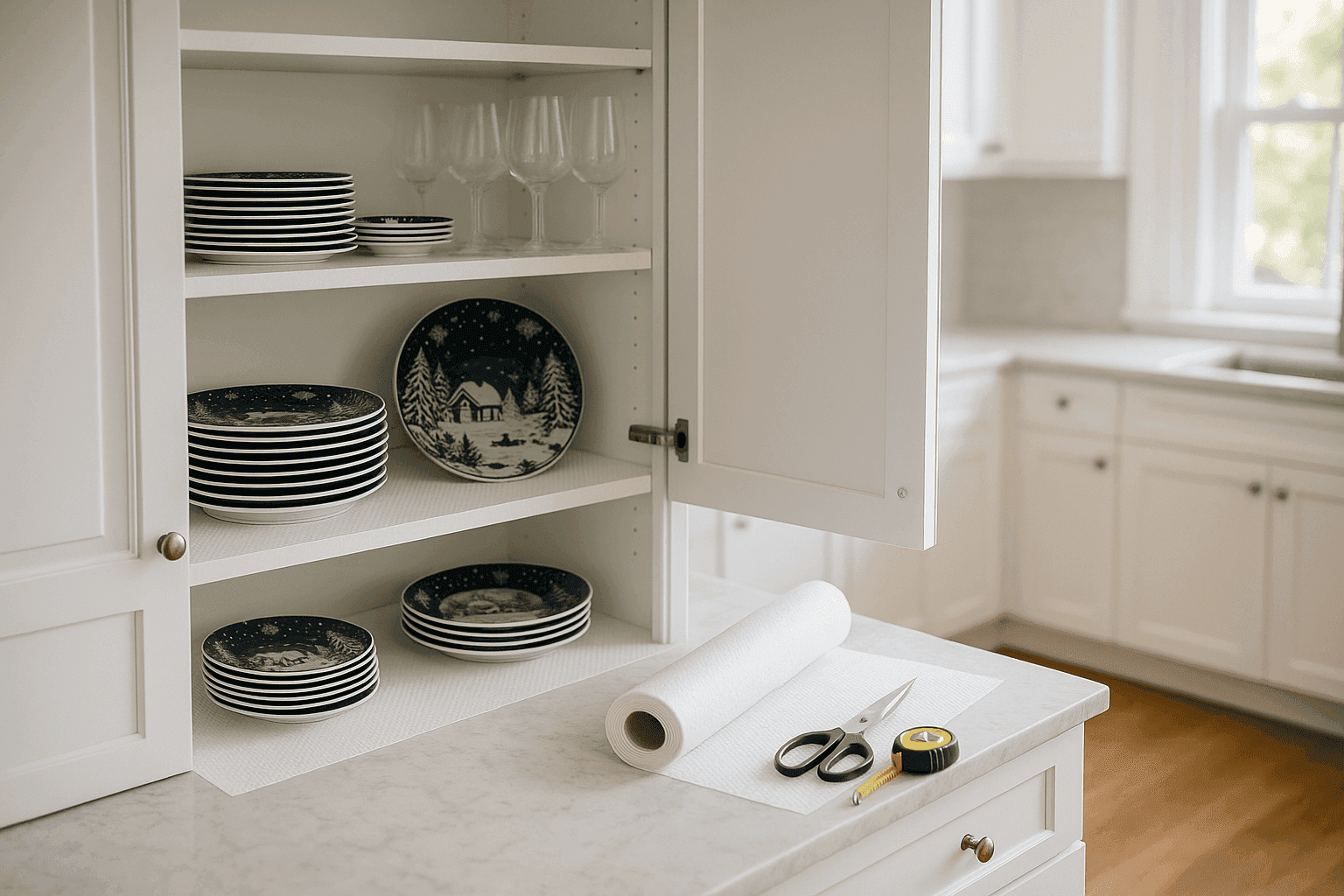
The moment I pulled holiday dishes from storage and opened my kitchen cabinets to find grimy, stained shelf liner from who-knows-when, I realized this unglamorous task needed addressing before guests arrived and started "helping" put dishes away into embarrassingly dingy cabinets. Installing fresh shelf liner is one of those invisible improvements that makes an enormous psychological difference—opening cabinets to crisp, clean surfaces feels like having a brand new kitchen even though you've simply replaced inexpensive paper. This project costs $15-25 depending on cabinet quantity and takes 2-3 hours including removal of old liner, cleaning, and careful installation, but the timing is perfect right before holiday dishware rotation when you're already emptying cabinets anyway. I tackle this task annually in late November, using the natural transition point between everyday dishes and holiday entertaining pieces as motivation to start the season with truly fresh cabinetry. Beyond aesthetic improvement, quality shelf liner protects cabinet surfaces from moisture damage, scratches from sliding dishes, and food spills that otherwise stain wood or laminate permanently. The practical benefits extend throughout the year as liner makes wiping up spills easier, prevents cups and plates from sliding around when you close doors, and even cushions delicate glassware against hard shelf surfaces.
What You'll Need
- Liner Materials:
- Shelf liner rolls (measure shelves first for quantity)
- Non-adhesive liner is easier to replace and adjust
- Choose wipeable, non-slip material
- Consider coordinating pattern or neutral solid
- Cost: $15-25 for typical kitchen coverage
- Removal & Cleaning:
- Plastic scraper or old credit card for adhesive
- Goo Gone or adhesive remover
- All-purpose cleaner and degreaser
- Microfiber cloths and paper towels
- Bucket of warm soapy water
- Trash bags for old liner disposal
- Measuring & Cutting:
- Tape measure or ruler
- Sharp scissors or utility knife
- Pencil for marking cuts
- Cutting mat to protect counters
- Straight edge or yardstick for guides
- Installation Tools:
- Smoothing tool or credit card for bubbles
- Weights or cans to hold liner while positioning
- Patience for precise fitting
- Total Cost: $15-30 for materials and cleaner
Installation Steps
- Empty cabinets completely by removing every dish, glass, and item so you can access all shelf surfaces without obstacles. This total emptying might feel excessive, but partial removal inevitably means working around items that get in your way and prevent thorough cleaning and installation.
- Remove old liner by pulling up non-adhesive versions easily or using plastic scrapers for stuck adhesive liner, working carefully to avoid gouging cabinet surfaces. Old adhesive liner often requires soaking with adhesive remover and patient scraping—don't rush this step or you'll damage the wood underneath.
- Clean surfaces thoroughly by wiping shelves with degreaser to remove years of accumulated grime, food particles, and sticky residue that hide under liner. Pay special attention to corners and edges where crumbs accumulate, and let surfaces dry completely before installing new liner to prevent trapping moisture.
- Measure each shelf individually rather than assuming uniform dimensions, because cabinets rarely maintain perfectly consistent measurements throughout. Record width and depth for each shelf, accounting for any lips, raised edges, or irregularities that affect liner fit.
- Cut liner pieces by adding 1/4 inch to measurements for wiggle room, then cutting straight lines using sharp scissors and a straight edge guide. Cutting slightly oversized allows trimming for perfect fit rather than coming up short, and clean cuts prevent fraying edges that look sloppy.
- Test fit before committing by laying cut pieces in place without securing them, checking that corners align properly and edges don't buckle or leave gaps. This dry run catches sizing errors when they're still fixable with minor trimming rather than after you've permanently installed ill-fitting liner.
- Install systematically by starting with upper cabinets and working down so dropped items don't damage already-lined lower shelves. Smooth liner from center outward to eliminate air bubbles and wrinkles, using a plastic card or smoothing tool to create flat, professional-looking surfaces.
- Trim excess carefully using sharp scissors or utility knife to cut away any liner extending beyond shelf edges, creating clean borders that won't catch on dishes or peel up over time. Take your time with this final trimming—rushed cuts create wavy edges that ruin the polished appearance.
- Replace items thoughtfully by using this opportunity to organize cabinet contents logically rather than just shoving everything back randomly. Group like items together, position frequently used pieces at easy-reach heights, and consider whether you really need everything you removed or if some items should be donated.
- Maintain going forward by wiping liner regularly with damp cloth to prevent buildup, replacing individual pieces as they show wear rather than waiting for complete deterioration. Annual replacement during holiday dishware rotation creates a sustainable maintenance cycle that keeps cabinets perpetually fresh.
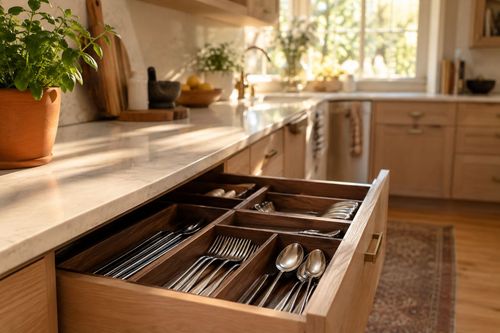
Professional organizers and kitchen designers have strong opinions about shelf liner selection that goes beyond basic functionality to consider long-term maintenance and aesthetic cohesion. The highest-quality option is thick, cushioned liner rather than thin paper versions—it costs slightly more upfront but lasts years longer, provides superior surface protection, and actually stays in place without shifting when you slide dishes around. Interior designers recommend choosing neutral colors like white, gray, or natural tones rather than bold patterns, since liner should enhance rather than compete with your dishware and cabinet interiors. For glass-front cabinets where liner is visible, invest in premium options with finished edges or consider skipping liner entirely in favor of displaying beautiful dishes directly on painted or stained shelves. Professional organizers swear by the "zone system"—using different liner colors for different cabinet zones (white for everyday dishes, gray for serving pieces, natural for food storage) which creates visual organization that helps household members return items to correct locations. The most advanced approach involves lining drawers simultaneously with cabinets for comprehensive kitchen refresh, using specialized drawer liner with non-slip properties that prevent utensil organizers from sliding around. Finally, savvy renovators who plan to sell homes soon skip adhesive liner entirely, knowing it leaves residue that reduces cabinet appeal to buyers who prefer seeing pristine wood surfaces.