Focal Point Perfection: Creating a Stunning Fireplace Accent Wall
Transform your living space with a dramatic fireplace surround that commands attention
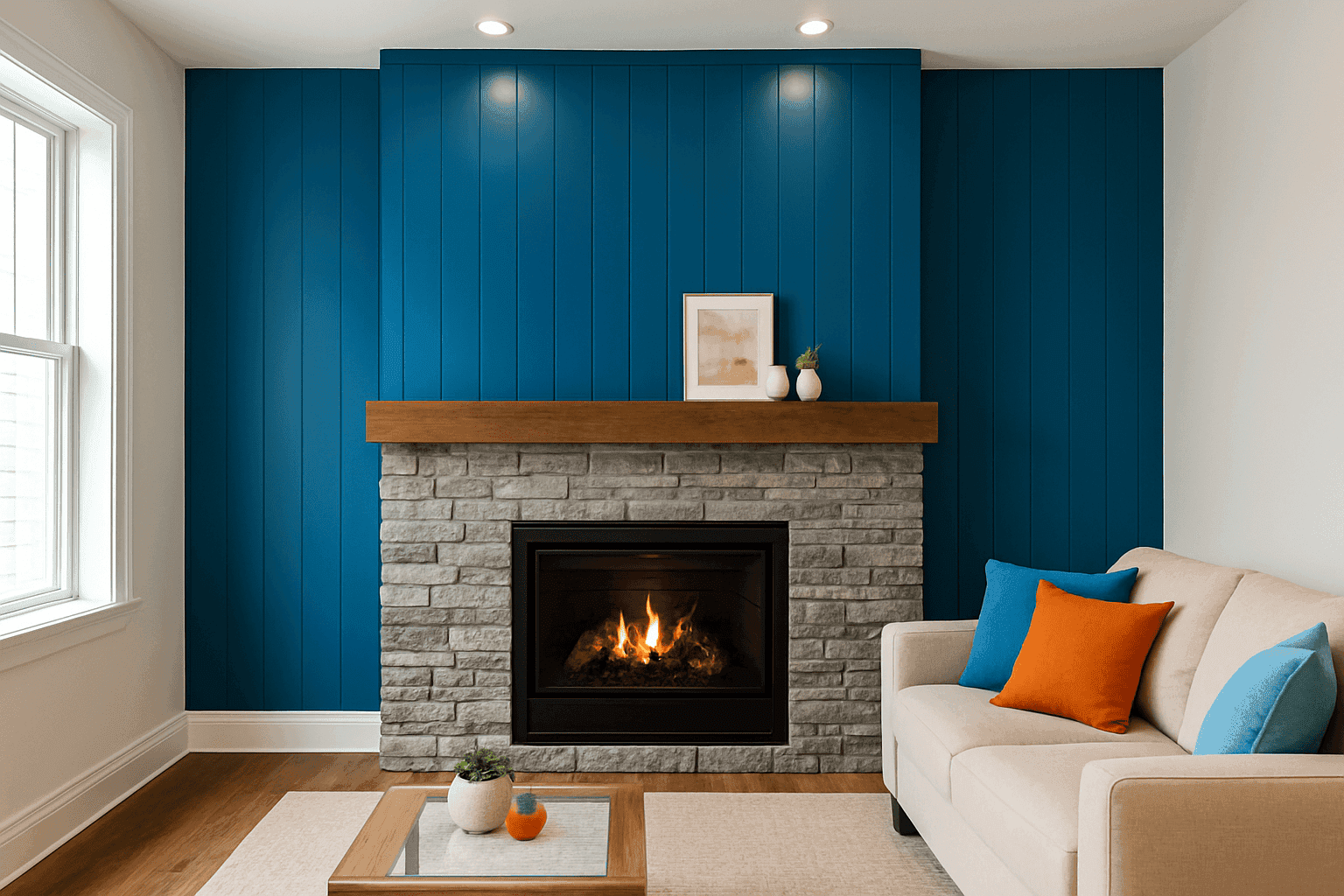
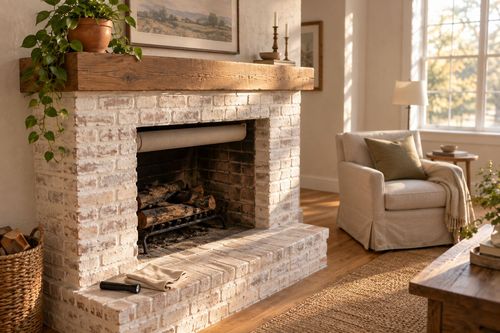
A fireplace naturally draws attention, but transforming the surrounding wall into a deliberate design statement elevates your entire living space. Whether your aesthetic leans rustic, contemporary, or traditional, creating an accent wall around your fireplace anchors the room and establishes a powerful focal point. With thoughtfully selected materials and proper preparation, this weekend project delivers dramatic impact that completely transforms your home's ambiance.
Material Options
| • Stone Options: Stacked stone, ledgestone, field stone |
| • Manufactured Stone: Stone veneer, faux panels |
| • Tile Choices: Ceramic, porcelain, glass, marble |
| • Wood Treatments: Shiplap, reclaimed boards, paneling |
| • Brick Options: Full brick, thin brick, brick veneer |
| • Substrates: Cement board, fire-rated drywall |
| • Adhesives: Mortar, construction adhesive, mastic |
| • Finishing Materials: Grout, sealants, trim pieces |
| • Tools: Depends on material (wet saw for tile, etc.) |
Creation Process
- Check building codes. Verify local regulations regarding clearances between combustible materials and your fireplace. Most codes require specific distances between firebox openings and wood mantels or trim, varying based on how far the elements project from the wall.
- Remove existing materials. Carefully dismantle current surrounds, mantels, or outdated materials. For masonry fireplaces, you may need to create a clean, flat surface before proceeding.
- Determine your accent wall's dimensions. Decide whether to cover the entire wall or create a more defined area surrounding the fireplace. For dramatic effect, consider extending the treatment from floor to ceiling or across the entire wall width.
- Prepare the substrate. Install appropriate backing materials based on your chosen finish. For stone or tile, cement board provides the best substrate. For wood applications, ensure the surface is plumb and secure.
- Plan material layout. For natural materials like stone or wood, lay out pieces beforehand to create a pleasing pattern with balanced colors and textures. For tile, create a detailed plan with precise measurements to avoid awkward cuts around the firebox.
- Install your chosen material:
- For stone veneer: Apply mortar to the back of each stone and press firmly onto the prepared surface, starting from bottom corners and working inward. Use spacers for consistent joints if desired.
- For tile: Apply thinset mortar with the appropriate trowel, then place tiles according to your layout plan, using spacers for consistent grout lines.
- For wood treatments: Secure boards with finish nails or construction adhesive, keeping proper fireplace clearances in mind. Consider fire-resistant treatments for added safety.
- Work around the firebox carefully. Cut materials precisely to fit around the opening. For gas fireplaces, ensure all gas connections remain accessible for future maintenance.
- Add a mantel if desired. Install floating shelves, traditional wood mantels, or stone ledges as a finishing touch and functional display area. Ensure proper support and adherence to fire clearance requirements.
- Apply finishing touches. Depending on your material choice, this may include grouting tile, filling joints between stones, caulking seams, or applying sealants to protect the surface.
- Install accent lighting. Consider adding recessed lights, picture lights, or LED strips to highlight texture and create dramatic shadows that enhance your new focal point.
For a truly custom look, consider combining multiple materials on your fireplace accent wall. Try a stone surround immediately around the firebox with shiplap or reclaimed wood extending to the ceiling above, creating visual texture while managing your budget (since stone is typically more expensive than wood). When selecting natural materials like stone, bring home samples and view them at different times of day to see how lighting affects their appearance. Morning light, afternoon sun, and evening lamp light can drastically change how colors and textures present in your space, influencing your overall satisfaction with the finished project.