Flow & Function: Mastering the Art of Open Concept Living
Create distinct zones with visual cohesion in your open floor plan
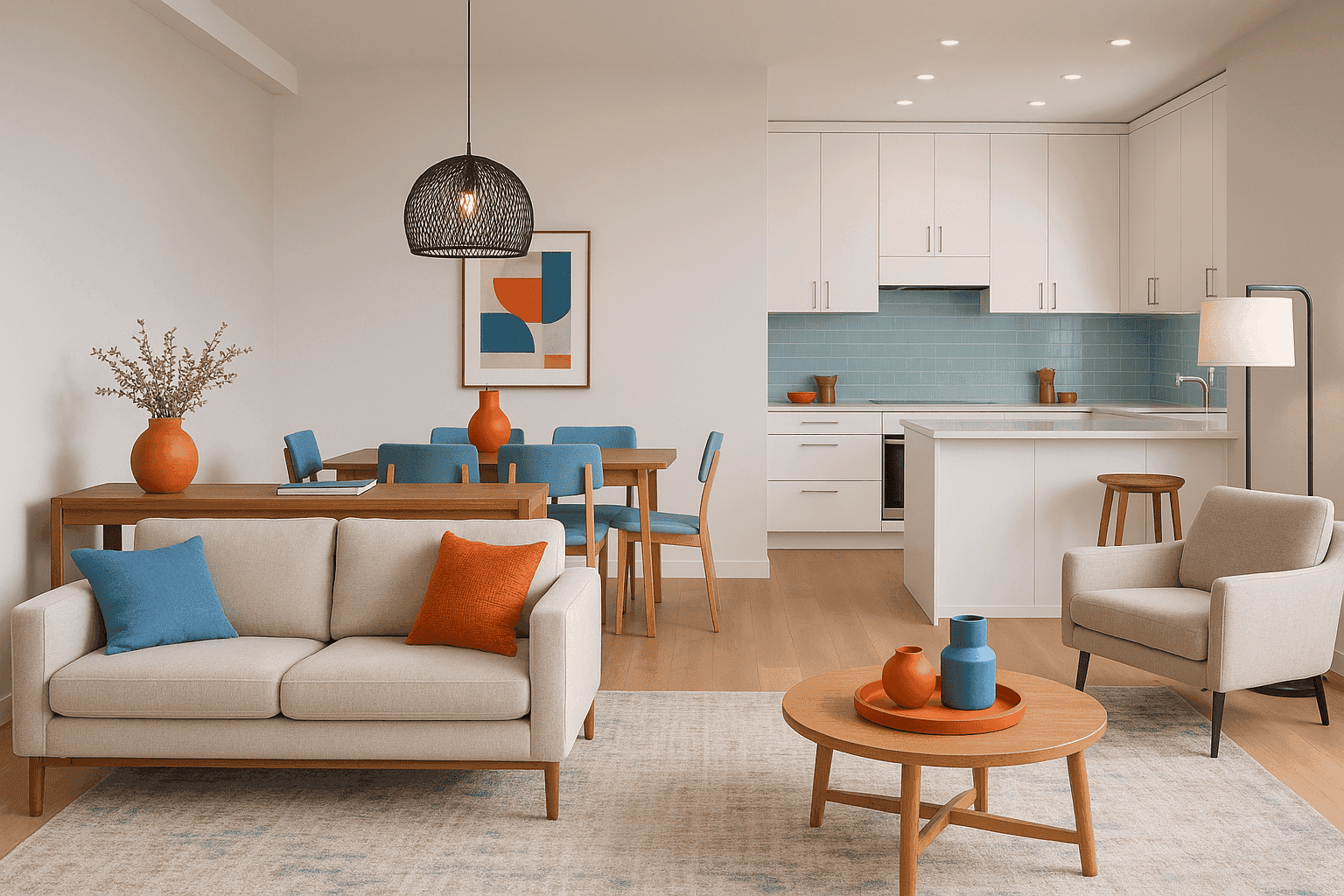
Open concept living has transformed modern home design, creating bright, socially connected spaces that support contemporary lifestyles. However, these flowing layouts present unique design challenges—how to create functional zones without walls, maintain visual cohesion across a large space, and prevent the area from feeling cavernous or chaotic. With thoughtful furniture arrangement, strategic visual cues, and careful attention to cohesive elements, you can enjoy the openness while establishing distinct areas that serve specific purposes.
Zone-Defining Elements
| • Area rugs in different zones |
| • Strategic furniture arrangement |
| • Pendant lighting over activity areas |
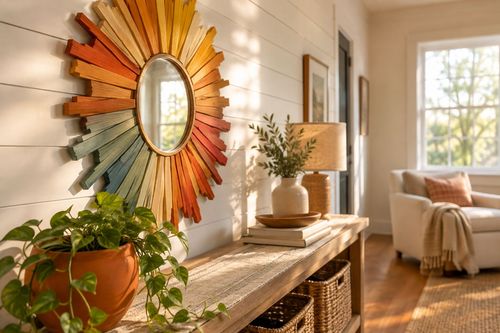
| • Console tables as room dividers |
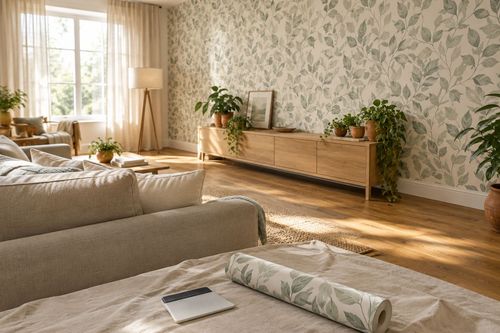
| • Accent wall treatments |
| • Ceiling treatments or height changes |
| • Partial walls or pony walls |
| • Varied but complementary color schemes |
Design Strategy
- Define zones with flooring: Use area rugs to anchor different functional areas—dining, conversation, work, play—creating visual boundaries without physical barriers. Ensure rugs are properly sized for each zone.
- Create furniture groupings: Arrange furniture in conversational clusters that face inward rather than lining pieces against walls. Use the back of a sofa or a console table behind seating to delineate spaces.
- Maintain sight lines: Keep furniture arrangements low enough to preserve views across the space. Avoid tall dividers that block light and counteract the benefits of openness.
- Establish a cohesive color story: Use a consistent color palette throughout the space with subtle variations for each zone. This creates visual connection while allowing for zone-specific identity.
- Define overhead space: Install different lighting fixtures appropriate to each zone's function—pendants over dining areas, ambient lighting in living spaces, task lighting in work areas—creating vertical boundaries.
In open concept spaces, visual clutter becomes amplified, so incorporate plenty of concealed storage to maintain a serene atmosphere. Consider multi-functional furniture pieces that serve different zones at different times, such as an extendable dining table that can double as a work surface. When selecting finishes, create hierarchy through your choices—perhaps use your most dramatic materials in the kitchen as a focal point, with more subdued finishes in adjacent areas. For open concepts involving kitchens, select appliances with quiet operation and invest in a powerful ventilation system to prevent cooking odors from permeating the entire space. Finally, acoustics matter in open spaces—incorporate soft textiles, wall hangings, and upholstered furniture to absorb sound and prevent echo.