Fire Safety First: Prep Your Fireplace for Cozy Season
Essential maintenance that keeps your family safe during the most wonderful time of year
There's nothing quite like gathering around a crackling fire during the holidays, but that cozy scene can turn dangerous fast if your fireplace hasn't been properly maintained since last season. Creosote buildup in chimneys causes thousands of house fires every year, malfunctioning dampers waste heating dollars while filling homes with smoke, and non-functioning carbon monoxide detectors create invisible hazards that put families at serious risk. Taking one afternoon now to thoroughly check and prepare your fireplace means you can actually relax and enjoy those magical fire-lit evenings instead of worrying about safety issues. This essential maintenance costs between $150-300 if you hire professionals for chimney cleaning, or as little as $30 if you handle the inspection tasks yourself and simply need to replace detector batteries. Either way, it's the most important pre-holiday project you'll tackle—because a safe fireplace means you can focus on making memories instead of managing emergencies during what should be the most wonderful time of the year.
What You'll Need
- Inspection Tools:
- Flashlight or headlamp for visibility
- Fireplace brush and shovel set
- Shop vacuum or ash vacuum
- Drop cloth or newspaper for protection
- Safety Equipment:
- Carbon monoxide detector with fresh batteries ($20-35)
- Smoke detector batteries for replacement
- Work gloves and dust mask
- Fire extinguisher (check expiration date)
- Professional Services:
- Chimney sweep service if needed ($150-300)
- Chimney inspection camera rental (optional, $30-50)
- Damper repair parts if inspection reveals issues
Safety Checklist
- Inspect your chimney from the outside looking for visible cracks, missing mortar, damaged chimney cap, or signs of animal nests that could block proper ventilation and create dangerous smoke backup.
- Schedule professional chimney cleaning if you've burned more than 50 fires since the last cleaning or if it's been over a year, as creosote buildup creates serious fire hazards that DIY cleaning can't address safely.
- Clear your firebox completely of old ash, debris, and unburned wood using a shop vacuum designed for ash, which prevents fine particles from recirculating into your home's air.
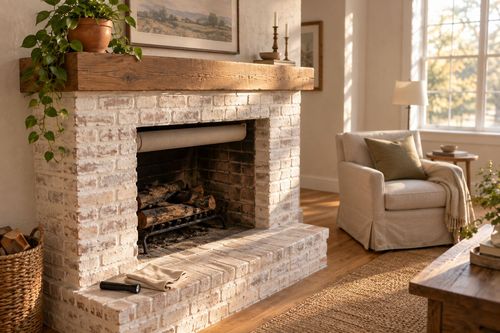
- Test your damper by opening and closing it several times, ensuring it moves smoothly without sticking and seals completely when closed to prevent heat loss and downdrafts when not in use.
- Check the flue by shining a flashlight up through the open damper, looking for visible creosote buildup, obstructions, or daylight at the top which confirms proper ventilation pathway.
- Install or replace carbon monoxide detector batteries, mounting detectors at least 15 feet from the fireplace but on the same floor, and test them using the button to ensure proper alarm function.
- Verify smoke detector functionality throughout your home, replacing batteries in all units and testing alarms to ensure your early warning system works if something goes wrong.
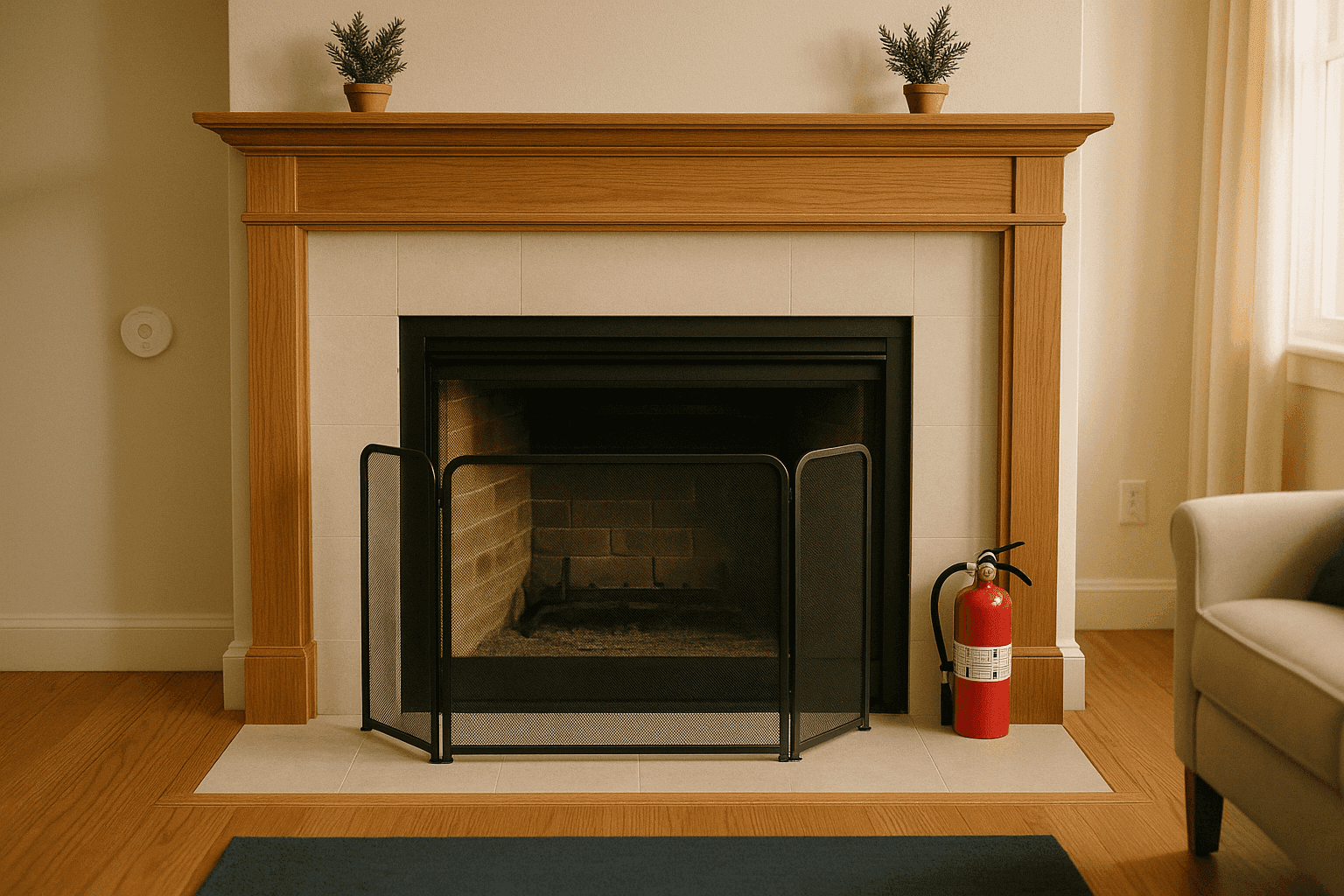
- Prepare your fire safety zone by clearing the hearth area of flammable decorations, ensuring your fire screen fits properly, and confirming your fire extinguisher is easily accessible and not expired.
Professional fireplace specialists recommend scheduling chimney inspections in early fall before the rush—waiting until November often means booking delays that push service into December when you want to be using your fireplace, not waiting for maintenance. Create a simple fireplace maintenance log where you record cleaning dates, inspection findings, and any repairs, which helps you track usage patterns and provides documentation if insurance questions ever arise. If your damper feels stuck or doesn't seal properly, this often indicates either rust buildup or warped metal from excessive heat—problems that worsen over time and should be addressed immediately rather than forcing the mechanism and causing more expensive damage. For families with young children, consider installing a fireplace safety gate that creates a physical barrier during fire season, and establish the rule that fires are never left unattended even for "just a minute"—most fireplace accidents happen during those brief moments when adults step away assuming everything is fine.