Electric Edge: Transform Furniture with Neon Pop
Turn ordinary furniture into gallery-worthy statement pieces with just a splash of electric color
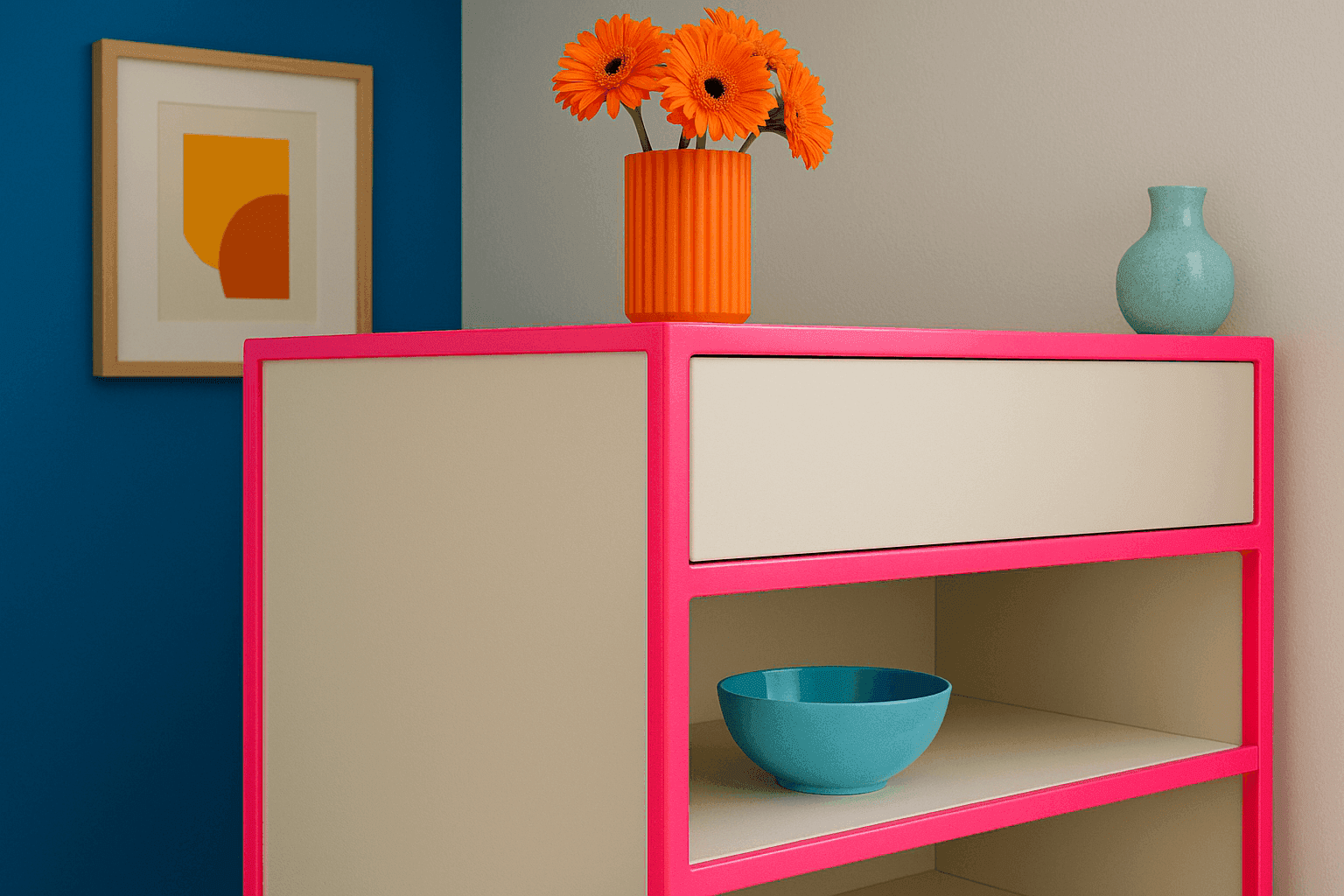
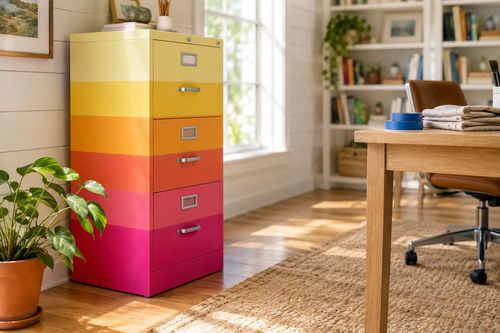
I discovered this technique completely by accident when I was painting my daughter's dresser and accidentally got neon pink on all the edges – what could have been a disaster turned into the coolest design element I've ever created! There's something absolutely magical about how a thin line of electric color can completely transform a piece from boring to breathtaking. This technique is like adding designer eyeliner to furniture – it defines and dramatizes in the most unexpected way. The best part is you get maximum visual impact with minimal paint and effort, making it perfect for anyone who wants to dip their toes into bold design without committing to an entire neon room. I've used this trick on everything from basic IKEA pieces to vintage thrift finds, and every single time, people ask where I bought such a "unique designer piece!"
Paint & Supplies
- Base Color: Neutral paint in white, gray, or black for main furniture surface ($25-35)
- Neon Accent: High-quality acrylic paint in hot pink, electric blue, or lime green ($8-12)
- Precision Tools: Fine-tip artist brushes, foam brushes for small areas ($15-20)
- Masking Materials: High-quality painter's tape, craft knife for clean lines ($10-15)
- Prep Supplies: Sandpaper, tack cloth, primer if needed ($15-25)
- Finish Protection: Clear protective topcoat, preferably satin finish ($20-30)
- Tools: Drop cloths, paint trays, measuring ruler for consistent edge width
Edge-Painting Technique
- Prepare furniture by cleaning thoroughly and lightly sanding any glossy surfaces
- Apply base coat in your chosen neutral color, allowing full cure time between coats
- Plan your neon edge design – typically ¼ to ½ inch wide for best visual impact
- Mask edges carefully using high-quality tape, ensuring perfectly straight lines
- Paint neon edges in thin, even coats, building color intensity gradually
- Remove tape while paint is slightly tacky to prevent peeling and ensure clean lines
- Touch up any imperfections with fine artist brush and steady hand
- Seal entire piece with clear topcoat to protect the bold accent color from wear
Professional furniture designers know that neon edge success is all about proportion and placement. The key is consistency – your edge width should be exactly the same on every corner and side, which means measuring and marking before you start painting. Interior stylists also use the "triangle rule": if you're doing one neon piece in a room, echo that same neon color in two other small accessories to create visual balance. My secret technique? Add a second, thinner accent line in metallic gold or silver just inside the neon edge – it creates incredible depth and makes the piece look like expensive custom work that belongs in a high-end gallery!