Dream Refresh: Spring Bedding Transformations for Lighter Sleep
Swap heavy winter bedding for breathable linens and cottons that enhance comfort as temperatures rise

Transitioning your bed from winter's heavy layers to spring's lighter linens doesn't just refresh your bedroom's appearance—it fundamentally transforms your sleep experience to match the changing season. As temperatures fluctuate during spring nights, breathable natural fibers like linen and cotton regulate body temperature far better than synthetic or flannel winter bedding, adapting to both cool evenings and warmer mornings. Beyond the practical benefits, this seasonal swap brings the sensory pleasure of crisp, light textiles against the skin, evoking the freshness of spring breezes and outdoor-dried laundry. The visual transformation from dark, weighty fabrics to airy, lighter hues also creates a psychological shift that aligns your most intimate space with the renewing energy of the season.
What You'll Need
| Basic Bedding Layers: |
| • Linen or cotton sheet set |
| • Lightweight duvet insert (spring weight) |
| • Linen or cotton duvet cover |
| • Lightweight coverlet or quilt |
| • Variety of pillow shams and cases |
| Decorative Elements: |
| • Decorative throw pillows in spring colors or patterns |
| • Lightweight throw blanket for layering |
| • Accent pillows with textural interest |
| • Bed scarf or runner |
| • Fresh or silk flowers for bedside tables |
| Storage Solutions: |
| • Under-bed storage containers for winter bedding |
| • Vacuum storage bags for bulky items |
| • Cedar blocks or lavender sachets for storage |
| • Storage bench or ottoman |
| • Labels for organized storage |
| Laundry Supplies: |
| • Gentle laundry detergent for natural fibers |
| • Fabric softener or white vinegar rinse |
| • Stain remover for delicate fabrics |
| • Drying rack for air-drying linens |
| • Iron or steamer for linen |
| Complementary Refreshers: |
| • Spring-scented linen spray |
| • Mattress refresher or cleaner |
| • Allergy-protective pillow and mattress covers |
| • Lightweight curtains to match bedding |
| • Small plant or fresh flowers for bedside |
How To Do It
- Start with a clean foundation:
- Strip the bed completely of all bedding
- Vacuum the mattress thoroughly
- Consider using a mattress refresher powder or spray
- Allow mattress to air while laundering winter bedding
- Clean under and around the bed area
- Properly store winter bedding:
- Launder all winter bedding according to care instructions
- Ensure items are completely dry before storing
- Fold heavy blankets and quilts with acid-free tissue between folds
- Use vacuum storage bags for bulky duvets and comforters
- Add cedar blocks or lavender sachets to deter pests
- Select appropriate spring bedding materials:
- Choose breathable natural fibers like linen, cotton, or bamboo
- Select lighter weight options (lower thread count for greater airflow)
- Consider temperature-regulating fabrics for fluctuating spring nights
- Look for moisture-wicking properties for warmer temperatures
- Choose lighter colors and patterns that reflect spring aesthetics
- Prepare your spring bedding:
- Launder new or stored spring bedding before using
- Air-dry linens when possible for that fresh outdoor scent
- Iron or steam linens if desired (many prefer linen's natural texture)
- Spritz with diluted essential oils for a subtle spring fragrance
- Ensure all pieces are completely dry to prevent mustiness
- Create a layered foundation:
- Start with a lightweight mattress pad or protector
- Add crisp, light-colored bottom sheets
- Consider switching to a lighter pillow fill for spring
- Use allergy-protective covers if spring allergies are a concern
- Select lighter weight top sheets in coordinating colors or patterns
- Add temperature-flexible middle layers:
- Replace winter duvets with lower-tog/lighter weight inserts
- Select breathable duvet covers in linen or cotton
- Add a lightweight cotton or linen quilt as an alternative layer
- Position lighter blankets folded at the foot of the bed
- Consider layering options for fluctuating spring temperatures
- Style with decorative elements:
- Add European shams at the back for height and structure
- Layer standard and decorative pillow shams in front
- Include 2-3 decorative pillows in spring colors or patterns
- Add textural contrast with a lightweight throw blanket
- Consider a bed scarf or runner across the foot of the bed
- Choose a spring-inspired color palette:
- Replace dark winter tones with lighter, fresher colors
- Consider subtle patterns like botanical prints or stripes
- Balance solid colors with one or two patterned elements
- Incorporate spring accent colors through pillows or throws
- Create contrast between layers while maintaining cohesion
- Incorporate natural elements:
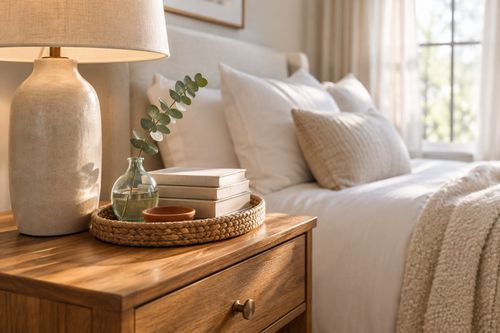
- Place small vases of fresh flowers on bedside tables
- Add a small potted plant to bring life to the bedroom
- Consider botanical-inspired artwork above the bed
- Use natural materials like wood, rattan, or woven elements
- Open windows regularly to allow fresh spring air to circulate
- Maintain your spring bedding:
- Wash sheets weekly in warm (not hot) water
- Follow care instructions for linen which softens with washing
- Air bedding outside occasionally for freshness
- Rotate pillows and fluff regularly
- Keep a light blanket nearby for unexpectedly cool nights
Professional interior designers use a technique called "chromatic layering" when creating sophisticated spring bedding ensembles. Rather than matching pieces exactly, they select textiles in a gradient of related tones—perhaps starting with pure white sheets, moving to a pale blue duvet cover, then adding accent pillows in deeper blue shades. This creates visual depth without the heaviness of winter bedding. Another designer secret is the "texture ratio" approach: when using predominantly solid colors, aim for at least three distinctly different textures (perhaps smooth percale sheets, nubby linen duvet, and a loosely woven cotton throw) to create tactile interest. For the most luxurious spring bed, designers recommend "material authenticity"—investing in 100% natural fibers rather than blends, which offer superior breathability and temperature regulation. Finally, top stylists often incorporate what they call a "seasonal signature"—one distinctive element that immediately signals the season, such as a botanical-printed accent pillow or a raw-edge linen throw in a fresh spring hue—that can be easily swapped out when summer or fall approaches, allowing the bedding base layers to transition smoothly between seasons.