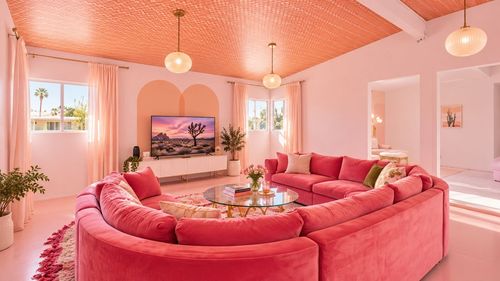
Stage It Yourself: Pro Staging Tricks Without the Price Tag
Make buyers feel at home before they've even made an offer
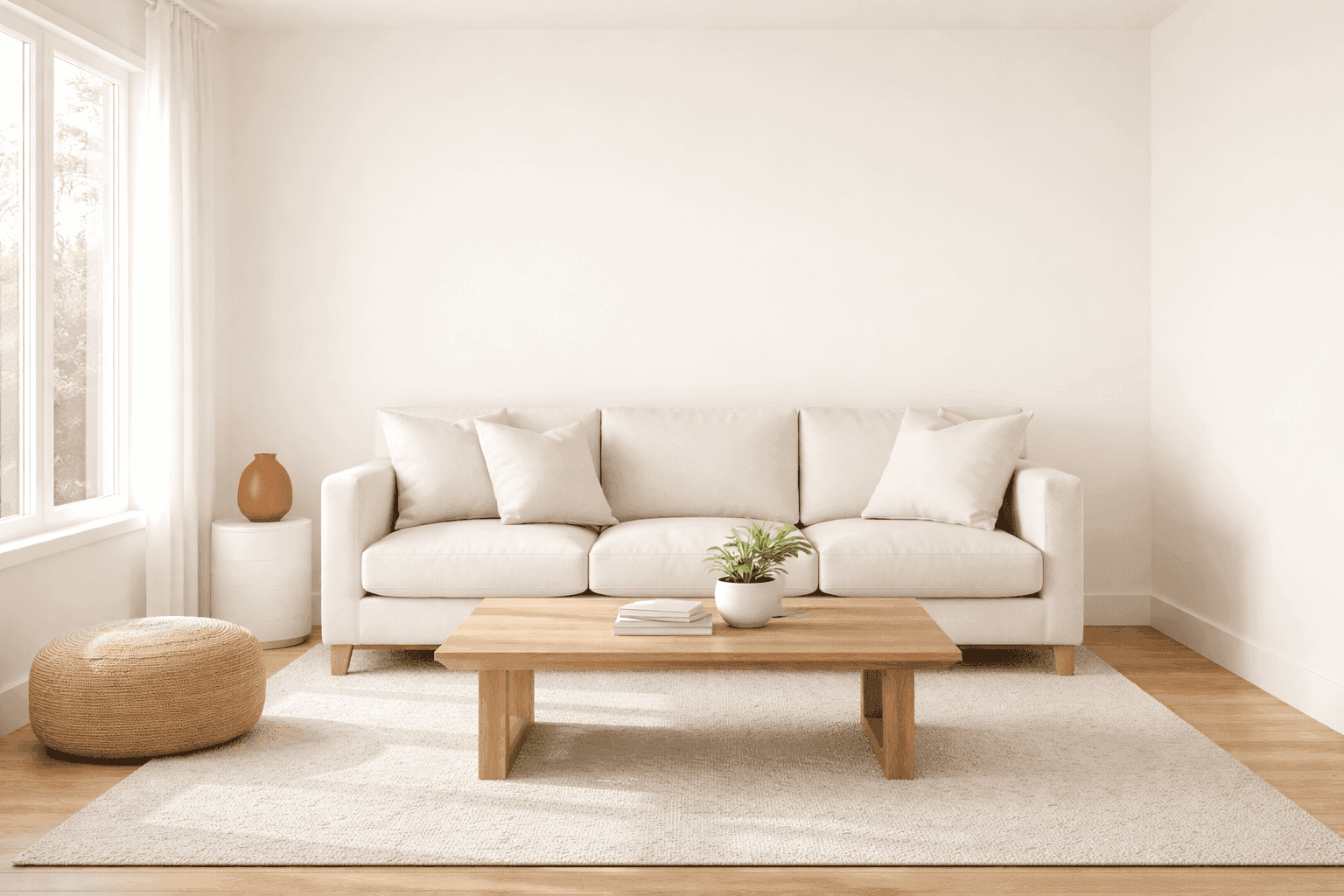
Professional home staging can cost anywhere from $1,500 to $5,000 or more — and for most sellers, that's a hard pill to swallow before you've even collected a cent from the sale. Here's the thing though: a lot of what professional stagers do is surprisingly achievable on your own, with furniture you already own and a weekend's worth of effort. The goal of staging isn't to make your house look like a showroom — it's to help buyers emotionally connect with the space and picture their life in it. With a few strategic moves around decluttering, lighting, and thoughtful styling, you can get remarkably close to that polished, editorial look without calling in the pros.
What You'll Need
- Storage boxes or bins: For temporarily boxing up personal items (~$20–$40 for a set)
- Neutral throw pillows: Soft white, cream, or warm gray covers to replace bold or dated ones (~$15–$30 each)
- Fresh white bedding: A clean white duvet cover and shams give every bedroom a hotel feel (~$40–$80)
- LED warm-white bulbs: Replace cool/harsh bulbs throughout with 2700K warm LEDs (~$15–$25 for a pack)
- Simple greenery: A few potted plants or eucalyptus stems in glass vases (~$10–$30 total)
- White towels: Fresh white bath towels rolled or folded neatly for bathrooms (~$20–$40 a set)
- Area rug if needed: A neutral jute or low-pile rug to define living/dining areas (~$60–$150)
- Deep cleaning supplies: Magic Erasers, grout brush, glass cleaner, Murphy's Oil Soap
How to Stage Like a Pro
- Declutter ruthlessly — remove at least 30–40% of everything on display. Countertops, shelves, and mantles should feel intentional, not lived-in. Box up family photos, collections, and anything that screams "a specific person lives here."
- Deep clean every surface, corner, and crevice before anything else. Buyers notice smell and shine before they notice furniture arrangement — a spotless home signals a well-cared-for home.
- Rearrange furniture to maximize flow and create clear conversation groupings. Pull sofas away from walls, angle pieces slightly, and make sure there's an obvious path through every room.
- Swap bold or overly personal accent pieces for simple, neutral alternatives. Throw pillows, rugs, and artwork should feel like a blank canvas — warm but not personalized.
- Update every light bulb to a warm 2700K LED and turn on every single light before showings. Dark rooms photograph and show terribly — brightness reads as clean and spacious.
- Style key surfaces with simple vignettes: a stack of books plus a candle, a plant with a linen napkin, or a wooden bowl with a few lemons. Less is always more — three items max per surface.
- Dress every bedroom with fresh white bedding and clear nightstands. White bedding photographs beautifully and makes even a small room feel serene and hotel-like.
- Address the bathrooms last: white towels folded neatly, a small plant or candle on the vanity, toilet lids down, and absolutely nothing on the shower floor.
Professional stagers call it "editing for the camera" — because in today's market, photos are the first showing. Walk through your staged home with your phone and photograph each room from the doorway at chest height. If something looks cluttered, too dark, or distracting through the lens, fix it before the photographer arrives. The rooms that photograph best are always the ones that feel slightly underfurnished in person. That's intentional — space sells.