Curb Appeal in Bloom: Installing Window Box Gardens
Add instant charm to your home's exterior with cascading color and texture
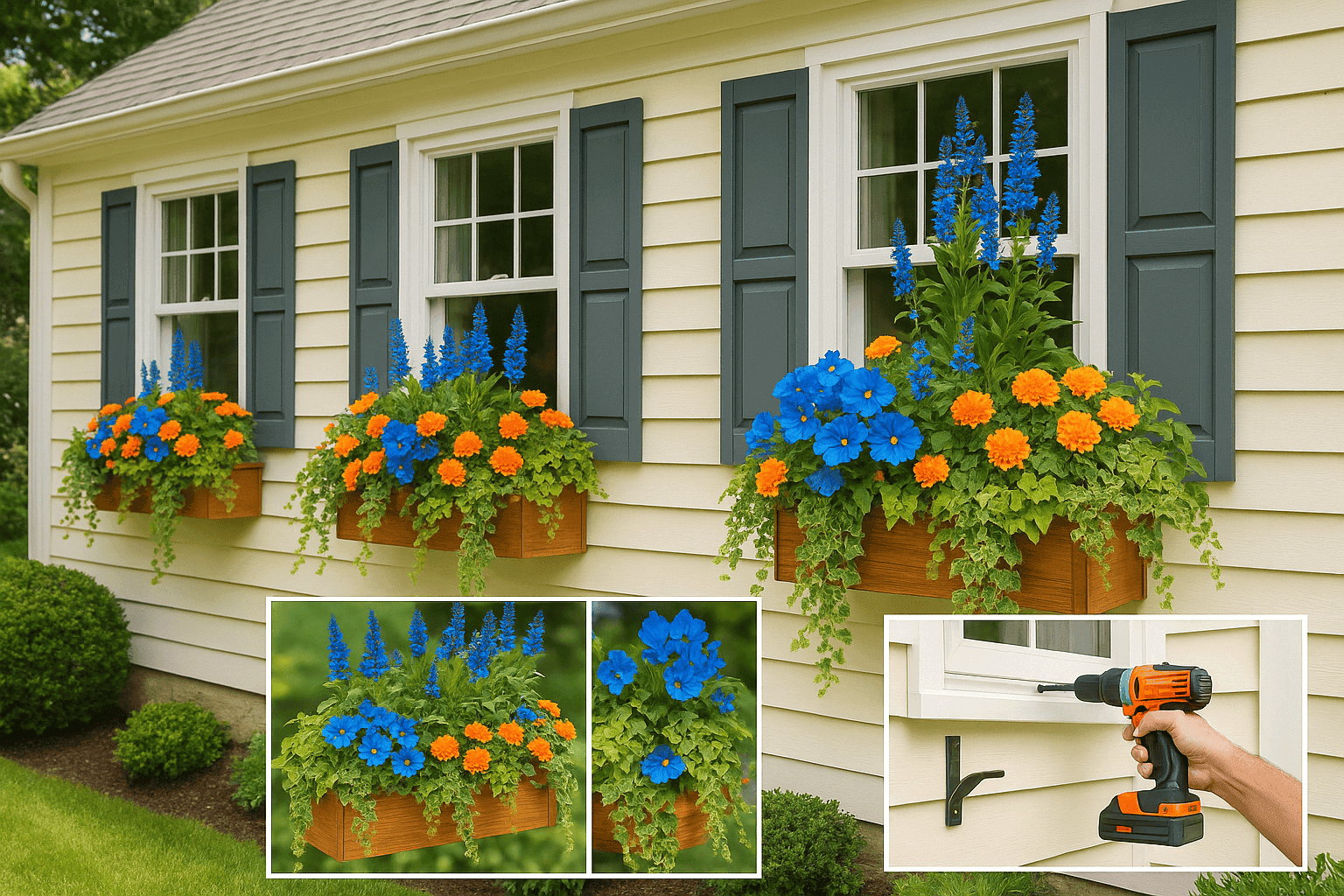
Window boxes instantly transform a home's exterior, adding dimension, color, and life to otherwise flat facades. These charming garden additions frame your windows with seasonal blooms and cascading foliage, creating eye-catching vertical interest that enhances architectural features. Whether your home is traditional, contemporary, or something in between, well-designed window boxes offer tremendous curb appeal relative to their modest cost and installation effort.
Materials
| Window boxes (wood, composite, or metal) |
| Mounting brackets or hardware |
| Drill and appropriate screws |
| Level and measuring tape |
| Quality potting soil and plants |
| Liner with drainage holes (optional) |
Installation Steps
- Select appropriate boxes that complement your home's architecture and are properly sized for your windows (typically 6-8 inches shorter than window width).
- Determine optimal mounting height, typically 2-3 inches below the windowsill to allow for window operation and visual connection.
- Locate and mark wall studs for secure attachment, using a stud finder to ensure brackets are anchored to solid structural support.
- Install mounting brackets using appropriate screws for your exterior material (masonry, wood siding, etc.), ensuring they're perfectly level.
- Secure the box to brackets, add drainage holes if needed, then fill with quality potting mix and your chosen plants.
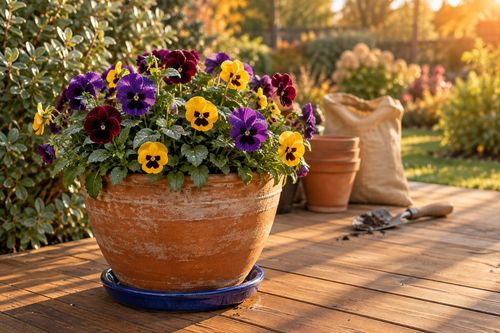
For maximum impact, follow the "thriller, filler, spiller" planting formula—tall focal plants in the center (thriller), medium-height plants to add fullness (filler), and trailing plants to cascade over edges (spiller). Consider self-watering window boxes for low-maintenance care, especially for south-facing windows that require frequent watering. Match or complement your window box material and color with other exterior elements like shutters or trim for a cohesive look. For year-round appeal, include evergreen plants like dwarf boxwood or ivy as a base, then rotate seasonal bloomers for changing color throughout the year.