Critical Safety Check Before Holiday Cooking Marathon Begins
Test and replace smoke and CO detector batteries now when ovens, fireplaces, and candles work overtime
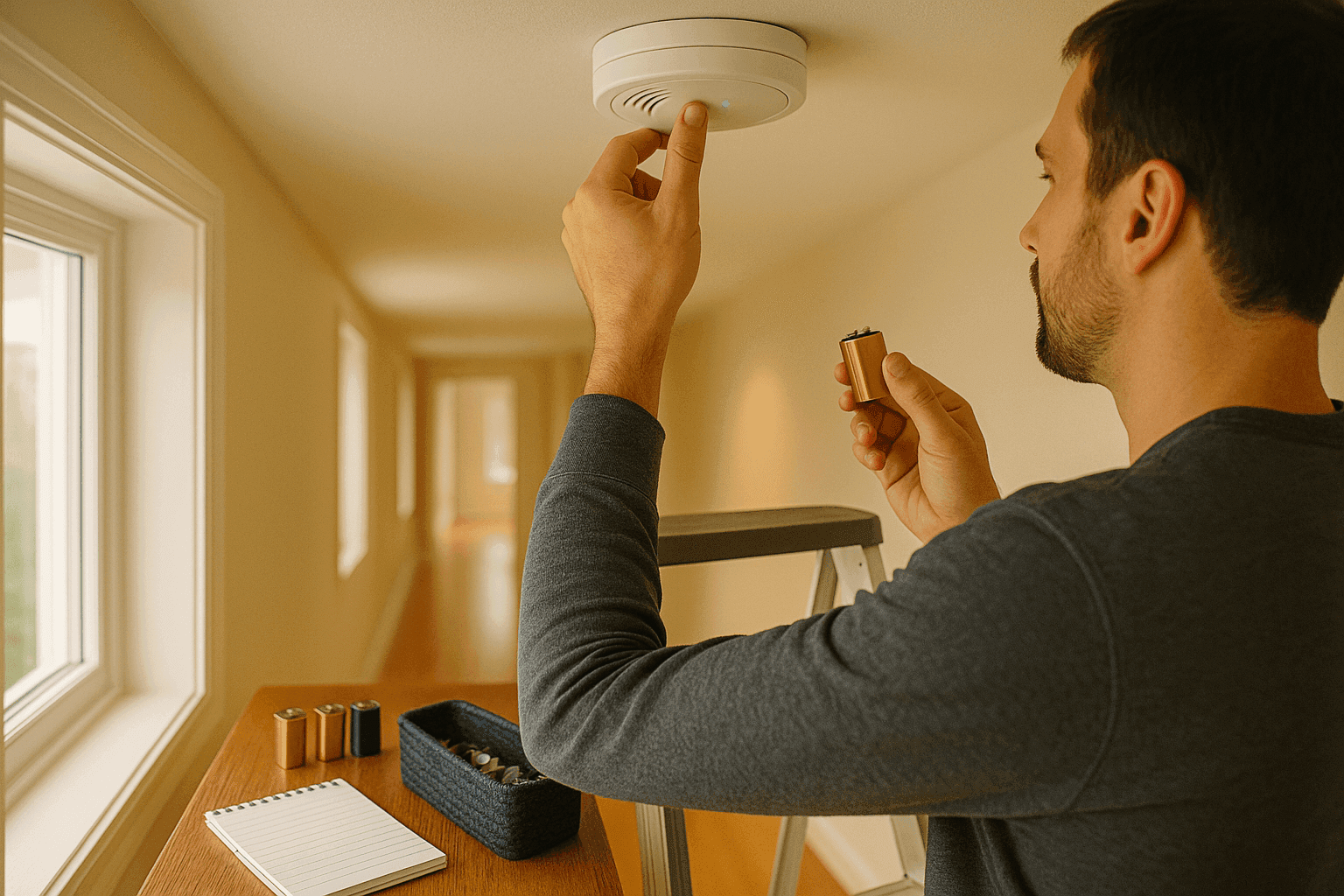
I'll never forget the Thanksgiving when a smoke detector started its low-battery chirp at 2 AM while we had a house full of overnight guests, forcing a frantic middle-of-the-night battery hunt that woke everyone and created unnecessary stress during what should have been peaceful holiday hosting. Testing and replacing smoke detector batteries before the holiday season isn't just responsible home maintenance—it's essential safety preparation when your oven runs for hours daily, fireplaces burn continuously, and decorative candles multiply the fire risks throughout your home. This critical check takes 30-45 minutes and costs $15-30 in batteries, but provides genuine peace of mind knowing your first line of defense against fire and carbon monoxide poisoning functions properly during the season when risks spike dramatically. I schedule this task the first weekend of December now, treating it as non-negotiable prep work before any holiday decorating or cooking begins, and the difference in my confidence and safety awareness is significant throughout the season. Beyond preventing embarrassing midnight chirping, functional detectors provide crucial early warning that saves lives and property—fire departments report that holiday cooking fires peak between Thanksgiving and New Year's, making this the absolute worst time to have non-functioning safety equipment.
What You'll Need
- Replacement Batteries:
- Nine-volt batteries for most smoke detectors
- AA batteries for some newer models
- Check each unit's specific requirements
- Buy more than you think you need
- Cost: $10-20 for multi-pack
- Testing & Access Tools:
- Step ladder or sturdy chair
- Flashlight for reading labels
- Notepad for recording detector locations
- Vacuum with brush attachment for cleaning
- Microfiber cloth for dusting
- Replacement Units (if needed):
- New smoke detectors for units over 10 years old
- Combination smoke/CO detectors recommended
- Interconnected models for whole-home protection
- Cost: $15-40 per detector
- Documentation:
- Permanent marker for dating batteries
- Labels for noting installation dates
- Calendar reminder for next year's check
- Total Cost: $15-30 for batteries, more if replacing units
Safety Check Steps
- Locate all detectors by walking through your entire home and identifying every smoke and carbon monoxide detector, noting their positions on paper since you'll likely find more than you remember. Standard placement includes hallways near bedrooms, kitchens, basements, and near fuel-burning appliances.
- Check manufacture dates by removing each detector from its mounting bracket and looking for the manufacture date stamped on the back—detectors over 10 years old need complete replacement regardless of battery condition since internal sensors degrade and become unreliable over time.
- Clean detector exteriors using vacuum brush attachment to remove dust and debris from vents and sensors, since accumulated dust can trigger false alarms or prevent proper smoke detection. Wipe covers with slightly damp microfiber cloth, never using cleaning chemicals that might damage sensors.
- Test each detector by pressing and holding the test button for several seconds until alarm sounds—a loud, clear alarm indicates proper function while weak or absent sound means immediate battery replacement or unit replacement is necessary. Never skip testing just because you replaced batteries recently.
- Replace all batteries even if detectors tested successfully, using this annual maintenance window to install fresh batteries in every unit regardless of remaining charge. This uniform replacement creates a predictable schedule and prevents that inevitable 3 AM low-battery chirp that always happens at the worst possible moment.
- Date new batteries using permanent marker to write installation month and year directly on the battery before inserting, which creates visible reminder of when replacement will be needed next year. This simple documentation prevents "did I change this last year?" confusion.
- Test again after installation by pressing test button on each detector with fresh batteries to confirm proper function, ensuring batteries are correctly installed with proper polarity and making full contact. A successful test means your detector is ready to protect your family.
- Verify CO detector placement specifically by ensuring carbon monoxide detectors are positioned on every level of your home and near sleeping areas, since CO is silent and odorless but deadly. If you use gas appliances, fireplaces, or have attached garages, CO detection is absolutely critical.
- Check interconnection if you have connected detectors by testing one unit and confirming all others in the system also alarm, providing whole-house warning when any single detector senses danger. This interconnected protection is especially important in larger homes where you might not hear a distant detector.
- Set calendar reminder for next year's check by adding a recurring reminder to your phone or calendar for the same time next November, ensuring this critical safety maintenance becomes automatic annual routine rather than something you remember only when detectors start chirping at inconvenient moments.
Fire safety professionals and insurance experts have critical knowledge about smoke detector placement and technology that most homeowners don't know but should implement immediately. The most important upgrade is replacing traditional ionization smoke detectors with dual-sensor models that combine both ionization and photoelectric technologies, since different types of fires are detected better by different sensor types—having both provides superior protection against all fire scenarios. Professional fire inspectors recommend the "10-10-10 rule": detectors should be installed at least 10 feet from cooking appliances to reduce false alarms, positioned 10 feet from bathrooms to avoid steam triggers, and