China Cabinet Transformation Into Dream Coffee Bar
Repurpose that outdated hutch into a gorgeous, functional coffee station with open shelving and organized storage
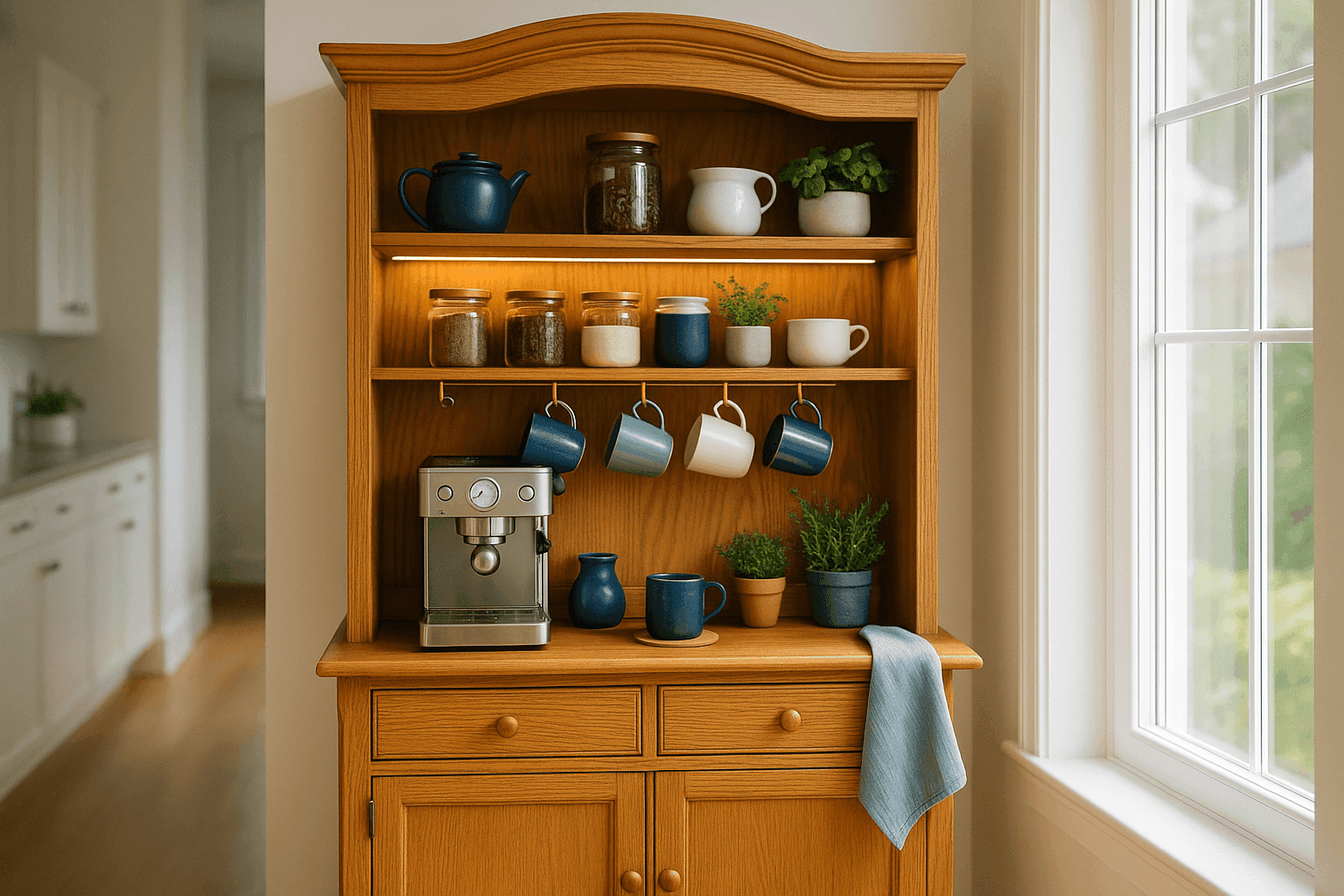
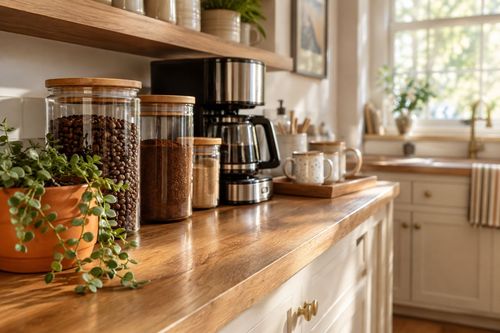
I inherited my grandmother's china cabinet and loved it sentimentally but had zero use for formal dishware storage in my everyday life, until I realized this beautiful piece of furniture could become the dedicated coffee station I'd been dreaming about. Converting a china hutch into a coffee bar breathes new life into furniture that often sits empty or gets relegated to the basement, transforming it into one of the most-used spots in your home. This project costs $50-100 depending on hardware choices and takes a weekend to complete, but delivers a custom coffee bar that would cost $800+ if you bought something similar new. The beauty of repurposing existing furniture is that you get solid wood construction, interesting architectural details, and built-in storage that purpose-built coffee bars often lack. I've had my converted cabinet for two years now, and walking up to make my morning coffee feels like visiting a boutique café rather than just another utilitarian kitchen corner—it's genuinely become my favorite functional feature in the house.
What You'll Need
- Cabinet Modifications:
- China cabinet or hutch (measure height for appliance clearance)
- Screwdriver or drill for removing doors and hardware
- Wood filler for filling unwanted holes
- Sandpaper (120 and 220 grit) for smoothing
- Optional: paint or stain for refinishing
- New Hardware & Hooks:
- Mug hooks or cup hooks (8-12 depending on space)
- Drawer pulls if adding pull-out storage
- Cabinet lighting strips or puck lights (battery or plug-in)
- Power strip with cord management
- Organization Accessories:
- Drawer organizers or small bins for coffee supplies
- Lazy Susan for syrups and creamers
- Decorative canisters for beans and pods
- Small tray for drip catches
- Total Cost: $50-100 for hardware and accessories
Transformation Steps
- Remove all doors by unscrewing hinges and carefully setting doors aside—don't throw them away yet in case you change your mind or the next owner wants to restore the piece. Open shelving creates that café aesthetic while making everything visible and accessible.
- Assess the interior by measuring shelf heights against your coffee maker, espresso machine, or other appliances to ensure adequate clearance with room for steam and heat dissipation. You may need to remove or relocate shelves to accommodate taller equipment.
- Fill unwanted holes from removed hinges and hardware using wood filler, letting it dry completely before sanding smooth with 220-grit sandpaper. This preparation work is crucial for achieving a polished, intentional look rather than obvious repurposing.
- Refinish if desired by painting or staining the cabinet to match your kitchen aesthetic, though many vintage hutches have beautiful wood that looks gorgeous with just a good cleaning and conditioning. A fresh coat of paint in a modern color can completely transform the piece's personality.
- Install mug hooks on the underside of upper shelves or along the cabinet's interior sides, spacing them 3-4 inches apart to prevent mugs from bumping together. This vertical storage maximizes space while creating an attractive display of your favorite cups.
- Add lighting by installing LED strip lights or battery-powered puck lights under upper shelves to illuminate your work surface and create ambiance. Good lighting transforms the coffee bar from purely functional to genuinely inviting, especially for early morning use.
- Create organized zones by designating specific areas for brewing equipment, mug storage, coffee supply canisters, and accessories like stirrers and sweeteners. This intentional organization prevents the coffee bar from becoming cluttered catchall space over time.
- Manage cords intelligently by routing power cords through existing openings or drilling a discreet hole in the back panel, then using a power strip mounted inside the cabinet to minimize visible wiring. Clean cord management is what separates amateur projects from professional-looking results.
Interior designers take converted coffee bars to the next level by adding a pull-out tray or cutting board that slides out from an existing shelf, creating a prep surface for making drinks without cluttering your main counter. This requires adding simple drawer slides underneath a shelf—hardware stores sell these for $15-20 and they're surprisingly easy to install. Professional organizers also recommend removing the cabinet's back panel entirely and positioning it against the wall with an outlet directly behind, then cutting a large rectangular opening for cords to pass through invisibly. This creates the built-in look of custom cabinetry rather than obviously repurposed furniture. Finally, style the top of your hutch with a small tray holding extra coffee, a vase of fresh flowers, or a framed coffee-themed print to complete the intentional design rather than leaving it bare and unfinished.