Childhood Magic: Build the Perfect Tree Swing
Create memories that last a lifetime with this timeless backyard addition that never goes out of style!
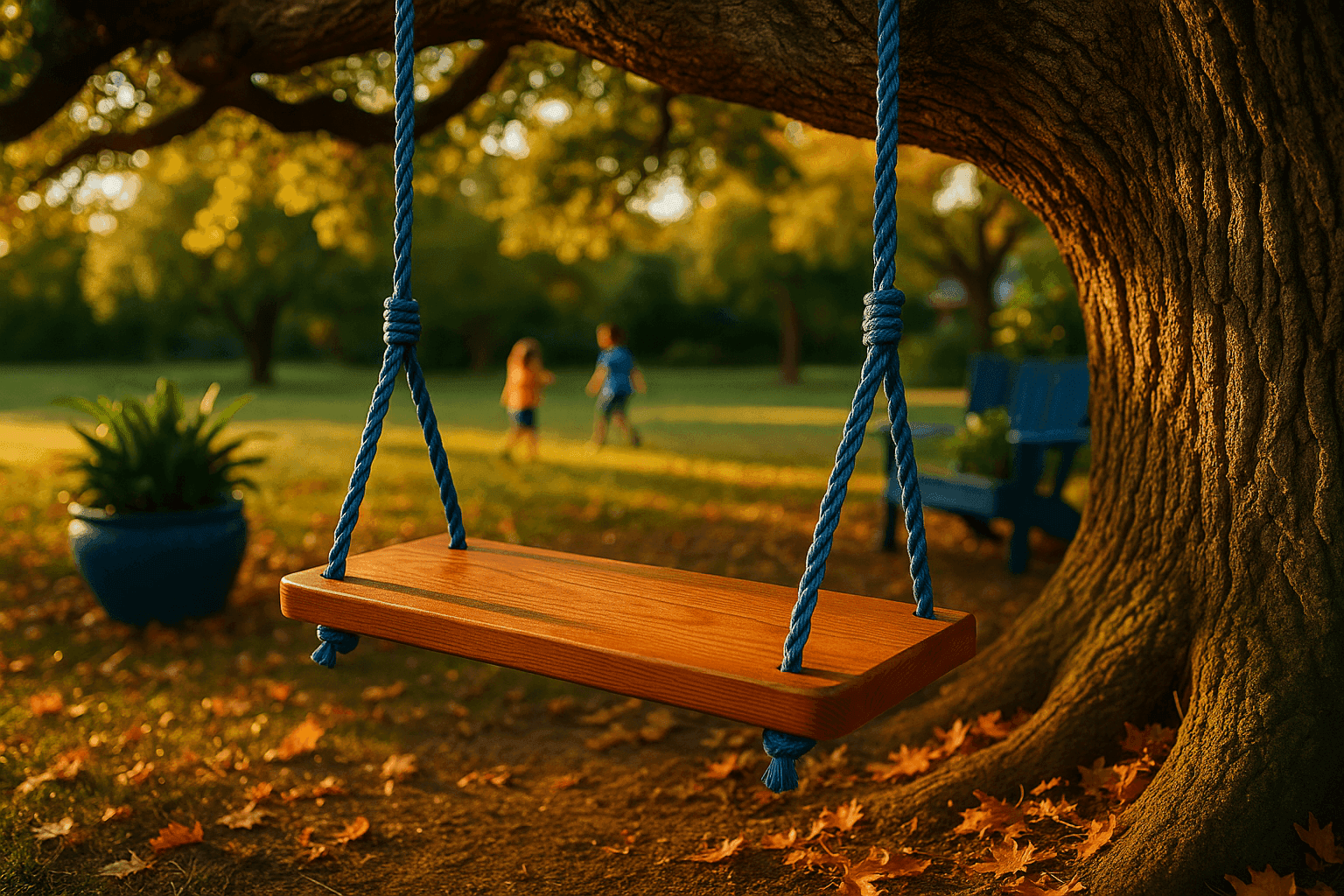
There's something absolutely magical about a tree swing that instantly transforms any backyard into a playground of possibilities. I built my first one when my daughter was five, and three years later, it's still the most-used "toy" in our yard – and yes, the adults use it just as much as the kids! This project takes about four hours from start to finish and costs under $30, but the joy it brings is priceless. There's nothing quite like the sound of laughter drifting through the air on a summer evening as kids (and grown-ups) rediscover the simple pleasure of soaring through the breeze. Plus, it adds that perfect touch of nostalgic charm that makes your house feel like the neighborhood gathering spot.
What You'll Need
- Seat Material: 2×10 cedar or oak plank, 18-24 inches long (~$12), or recycled hardwood for character
- Rope: 50 feet of 3/4-inch manila or polypropylene rope, UV-resistant (~$15)
- Hardware: Eye bolts with washers and nuts, rope thimbles, carabiners for easy removal
- Tools: Drill with bits, sandpaper (120 and 220 grit), measuring tape, level
- Safety Gear: Ladder, safety glasses, work gloves
- Finishing: Exterior wood stain or sealant, rope guards to prevent branch wear
Step-by-Step Method
- Inspect your tree branch thoroughly – it should be at least 8 inches diameter, 8+ feet high, with no signs of disease
- Prepare the seat by drilling holes 2 inches from each end, then sanding smooth and applying protective finish
- Measure and cut rope to desired swing height plus 4 feet extra for knots and adjustments
- Thread rope through seat holes and tie secure bowline knots underneath, leaving equal lengths on both sides
- Install eye bolts into branch (if using hardware method) or prepare for traditional rope-over-branch technique
- Hang the swing using proper knots – running bowline for adjustability or timber hitch for permanence
- Test thoroughly with gradually increasing weight before allowing children to use
- Adjust height and level until seat hangs perfectly horizontal and feels comfortable for users
Professional arborists recommend the "running bowline" knot for tree swings because it's self-tightening under load but won't damage the branch like hardware can. Also, add rope guards where the swing rope contacts the branch – old garden hose sliced lengthwise works perfectly and prevents both rope wear and bark damage. Check your swing monthly during heavy-use season, and replace rope annually if it shows any fraying or UV damage.