Build the Backyard You Actually Want to Be In
Patio and deck projects that turn outdoor space into outdoor living
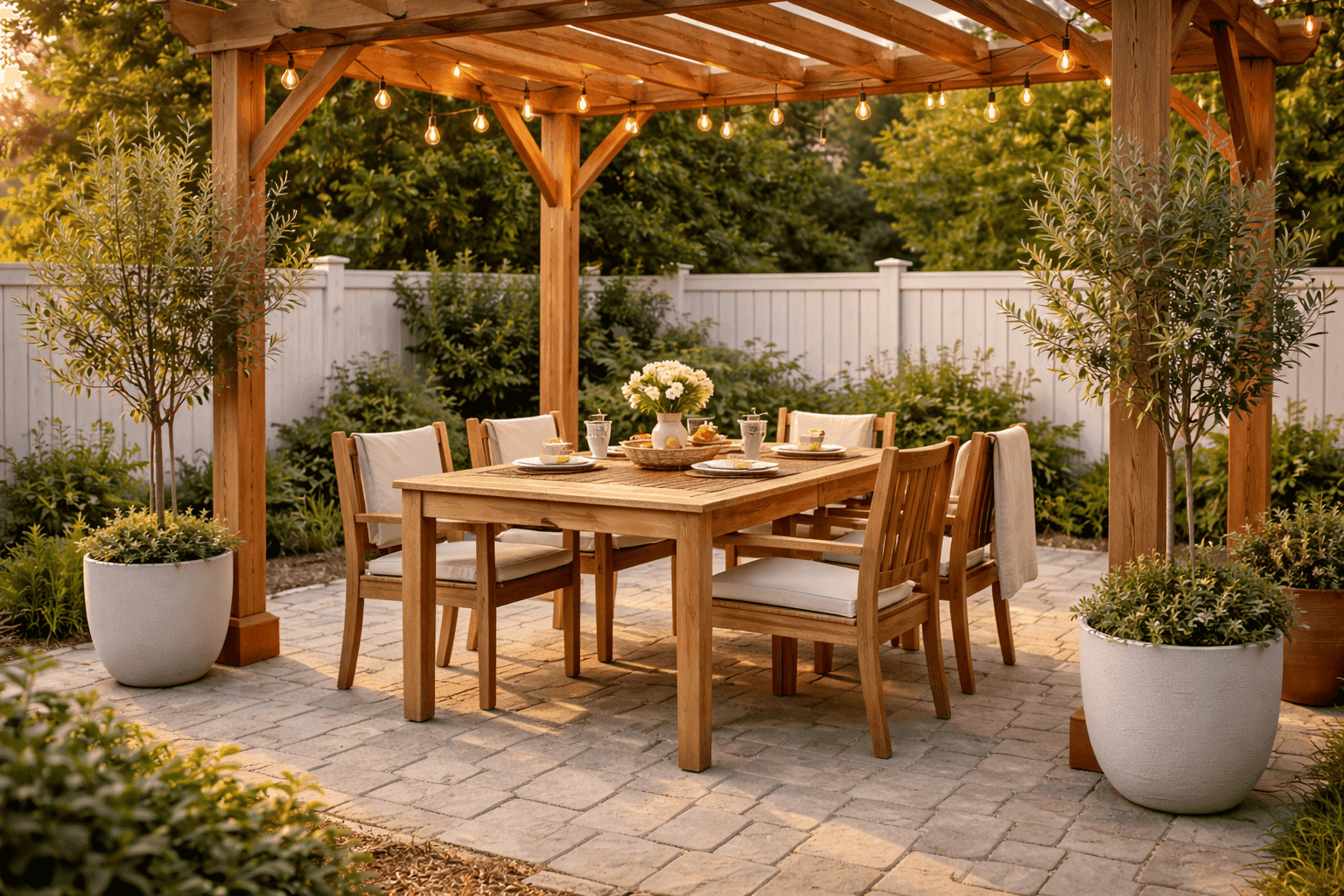
Outdoor living spaces return 4x their construction cost in home value and — more importantly — give you a place you actually want to spend time. A well-built patio or deck doesn't have to cost what a contractor quotes; the labor markup on hardscaping is enormous, and a lot of the work is genuinely manageable for a motivated DIYer. Here's a realistic look at the most popular outdoor living projects.
DIY Paver Patio
A paver patio is the most accessible hardscaping project for DIYers. The technique is straightforward: excavate 6–8 inches, lay a compacted gravel base, add a layer of bedding sand, and set the pavers in your chosen pattern. The gravel base provides drainage; the sand allows minor adjustments to keep everything level. Edge restraints hold the outer pavers in place. A plate compactor (rent for $60–$80/day) compacts the gravel and, once pavers are laid, seats them firmly into the sand.
The physical work is significant — a 12x16 patio requires moving 6–8 tons of material — but the skill level is genuinely achievable. The critical success factor is getting the base right: compact the gravel thoroughly (at least two passes with the plate compactor) and screed the sand perfectly flat. A patio that settles unevenly over time is almost always a base preparation problem.
Deck Refinishing
An existing deck that looks weathered and gray doesn't need replacing — it needs refinishing. Power wash thoroughly, let dry completely (at least 48 hours), sand any rough or splintered areas, and apply a quality deck stain or sealer. Semi-transparent stain is the most common choice — it enhances the wood grain while providing UV and moisture protection. The key word is "quality": budget deck stains peel and require re-coating within a year. Spend $40–$60 per gallon on a product like Armstrong Clark or TWP — applied every 2–3 years, this approach keeps a deck looking great indefinitely.
Pergola Build
A pergola adds architectural presence to a patio, provides partial shade, and creates a framework for string lights, climbing plants, and privacy screens. The basic structure — four posts, two beams, and a series of rafters — is achievable woodworking. Posts must be set in concrete footings below the frost line for your region; depth varies but 24–36 inches is typical for most of the US. Use pressure-treated lumber for all ground-contact components. The decorative elements — rafter tails, beam profiles, lattice — are where you customize the style. A 12x12 pergola built yourself costs $800–$1,500 in materials; the same structure from a contractor typically runs $5,000–$10,000.
Outdoor Lighting
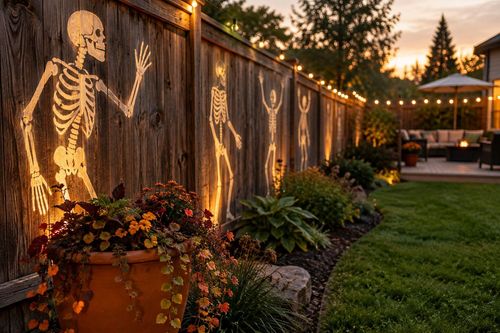
String lights are the fastest transformation for any outdoor space — a pergola or deck with warm string lights becomes genuinely magical at night and usable well past sunset. Solar-powered stakes along walkways and in garden beds add safety and atmosphere with zero wiring. For a more permanent solution, low-voltage landscape lighting systems (12V, plug-in transformers with wire runs) are fully DIY-installable and can be expanded over time. The key is warm-temperature bulbs (2700K) — cool or daylight strings outdoors look harsh and clinical rather than inviting.
Check local permit requirements before breaking ground on any permanent outdoor structure — patios over a certain size, decks, and pergolas attached to the house often require permits in most municipalities. This isn't just bureaucracy: permitted work is documented, inspected, and matters at resale. An unpermitted deck can complicate a home sale and may need to be demolished or retroactively permitted (at significantly higher cost). A quick call to your local building department takes five minutes and saves enormous potential headaches.