Build a Window Box Planter in 3 Hours for $35
Custom-sized, weatherproof, and exactly the curb appeal upgrade your home's been waiting for
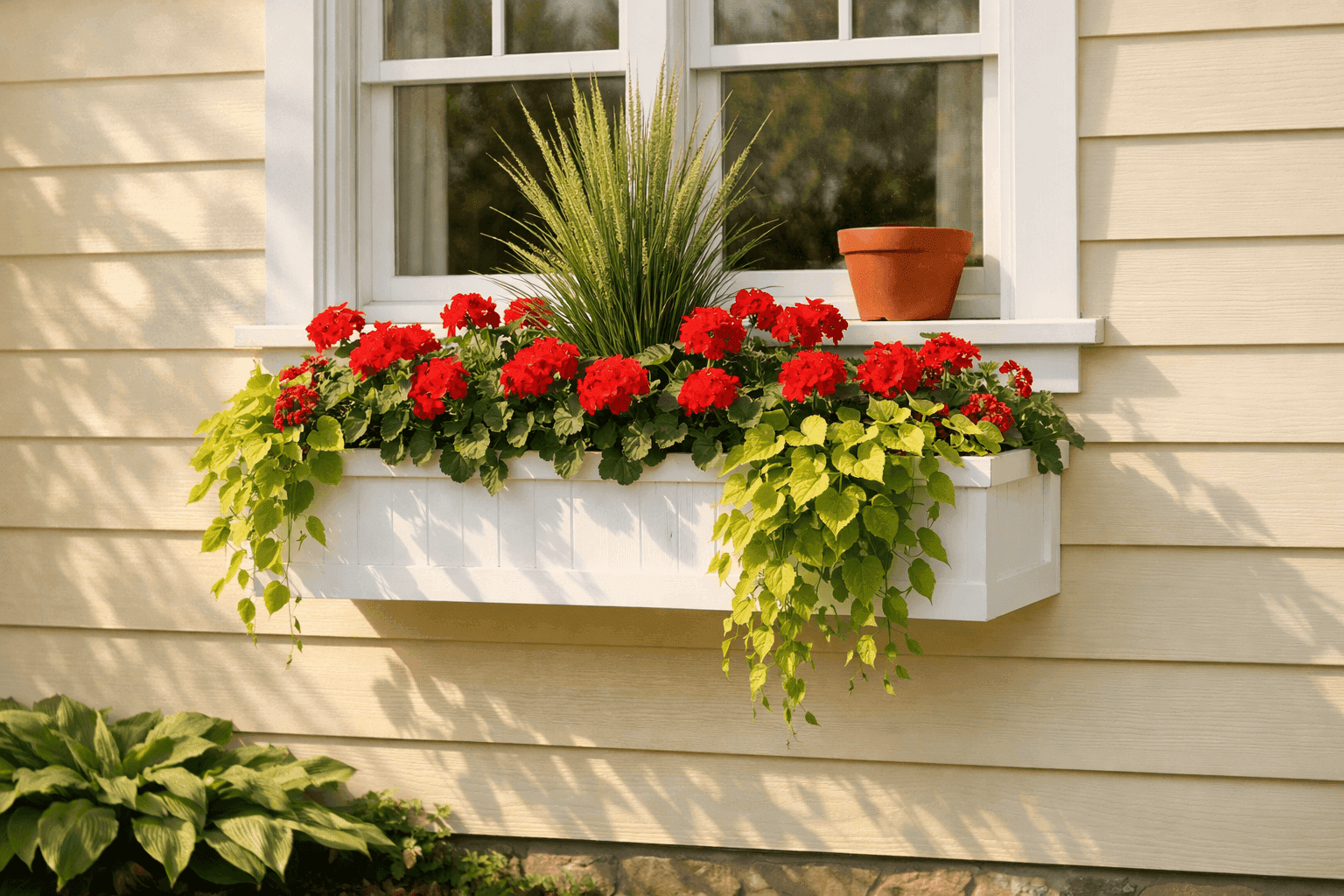
A window box full of blooms is one of those things that makes a house look genuinely cared for from the street — the kind of detail that stops people mid-walk and makes your neighbors quietly rethink their own front yard. The problem is that store-bought window boxes almost never fit your windows exactly, tend to be made from thin plastic that cracks within two seasons, and cost more than they're worth for what you actually get. Building your own from cedar or pine takes an afternoon and about $35 in lumber and hardware, and the result is a custom-sized, solid planter that fits your window perfectly and can last a decade with minimal upkeep. This is genuinely one of the most satisfying beginner woodworking projects you can do — the cuts are simple, there are no complicated joints, and the payoff is visible from the street the moment you hang it. Whether you're boosting curb appeal before selling, adding character to a rental-neutral exterior, or just finally doing the thing you've been thinking about for two summers, this is the weekend build that delivers.
What You'll Need
- Lumber
- 1x6 cedar or pressure-treated pine board — cedar is the better long-term choice outdoors; one 8-foot board covers most standard window widths (~$10–14)
- 1x4 board for the front face panel if you want a taller, more decorative front (~$6–8, optional)
- Hardware
- 1-5/8 inch exterior deck screws – coated to resist rust outdoors (one box of 100 runs about $5–7)
- L-bracket wall mounts rated for at least 20 lbs per bracket – two per box minimum (~$6–9 for a two-pack)
- 2-inch exterior lag screws or wall anchors appropriate for your siding type
- Finishing Supplies
- Exterior wood primer and paint, or an all-in-one exterior paint-and-primer (~$8–12 for a small can)
- 120-grit sandpaper for smoothing cut edges before painting
- Landscape fabric or window screen scraps to line the box bottom and keep soil from washing out of drainage holes
- Tools
- Circular saw or miter saw for straight cuts (most hardware stores will make cuts for you at the lumber counter for free or a small fee)
- Drill with Phillips and drill bits
- Measuring tape, pencil, and a speed square for marking cuts
- Level for mounting
- Total Cost
- $25–40 depending on lumber choice, window width, and whether you already own paint and tools
How to Build It
- Measure your window width carefully — most builders size the box to match the window frame exactly, or up to two inches wider on each side for a fuller look. Standard box depth runs 6–8 inches, and height of 6 inches gives roots enough room to establish without the box looking bulky from the street.
- Cut your lumber into five pieces: one bottom, one front, one back, and two end caps. The front and back match your window width; the end caps fill the gap between them at each side. If you don't own a saw, take your measurements to the lumber counter — most hardware stores will make straight cuts for a dollar or two per cut.
- Drill drainage holes in the bottom board before assembly — three to five evenly spaced half-inch holes prevent waterlogged roots, which is the fastest way to kill container plants. Drill now rather than after assembly when the angle becomes awkward.
- Assemble the box by attaching the front and back boards to the bottom first, driving two exterior deck screws through each joint. Then attach the end caps to close the box at both sides, pre-drilling each hole to prevent the wood from splitting at the ends.
- Sand all cut edges and exterior faces with 120-grit sandpaper — this removes splinters, opens the wood grain for better paint adhesion, and gives the finished box a cleaner, more intentional look. Pay extra attention to the front face, which is what people actually see.
- Prime and paint the entire exterior with exterior-grade paint, applying two thin coats and letting each dry fully before the next. Skip painting the interior — bare wood breathes better and holds up longer when in direct contact with moist soil and roots.
- Mount your L-brackets to the window sill or wall directly below the window, using a level to confirm they sit perfectly horizontal before driving the lag screws in. For vinyl or fiber cement siding, use appropriate wall anchors rated for outdoor load-bearing use — the bracket packaging will specify what's needed.
- Set and plant the box on the mounted brackets, line the interior bottom with landscape fabric over the drainage holes, fill with quality potting mix to within an inch of the top, and plant your flowers. Give everything a thorough first watering and step back — the curb appeal upgrade is immediate.
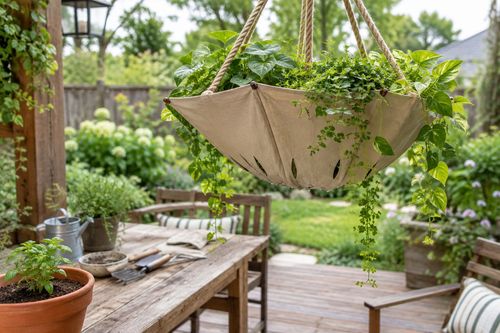
Landscape designers who plant window boxes almost always follow the thriller, filler, spiller formula rather than just packing in a single flower type — one tall dramatic plant in the center (the thriller), compact mounding plants filling the middle ground (the filler), and trailing varieties cascading over the front edge (the spiller). A classic combination that works in almost any climate is a single upright spike plant or ornamental grass in the center, surrounded by geraniums or impatiens as filler, with sweet potato vine or trailing lobelia spilling over the front. This three-layer approach creates depth and movement that a single-variety planting simply can't match, and it looks intentional and designed rather than just stuffed.