Build a Family Gratitude Tree for Thanksgiving Reflections
Craft a tabletop branch display with clothespin holders for daily gratitude notes all November
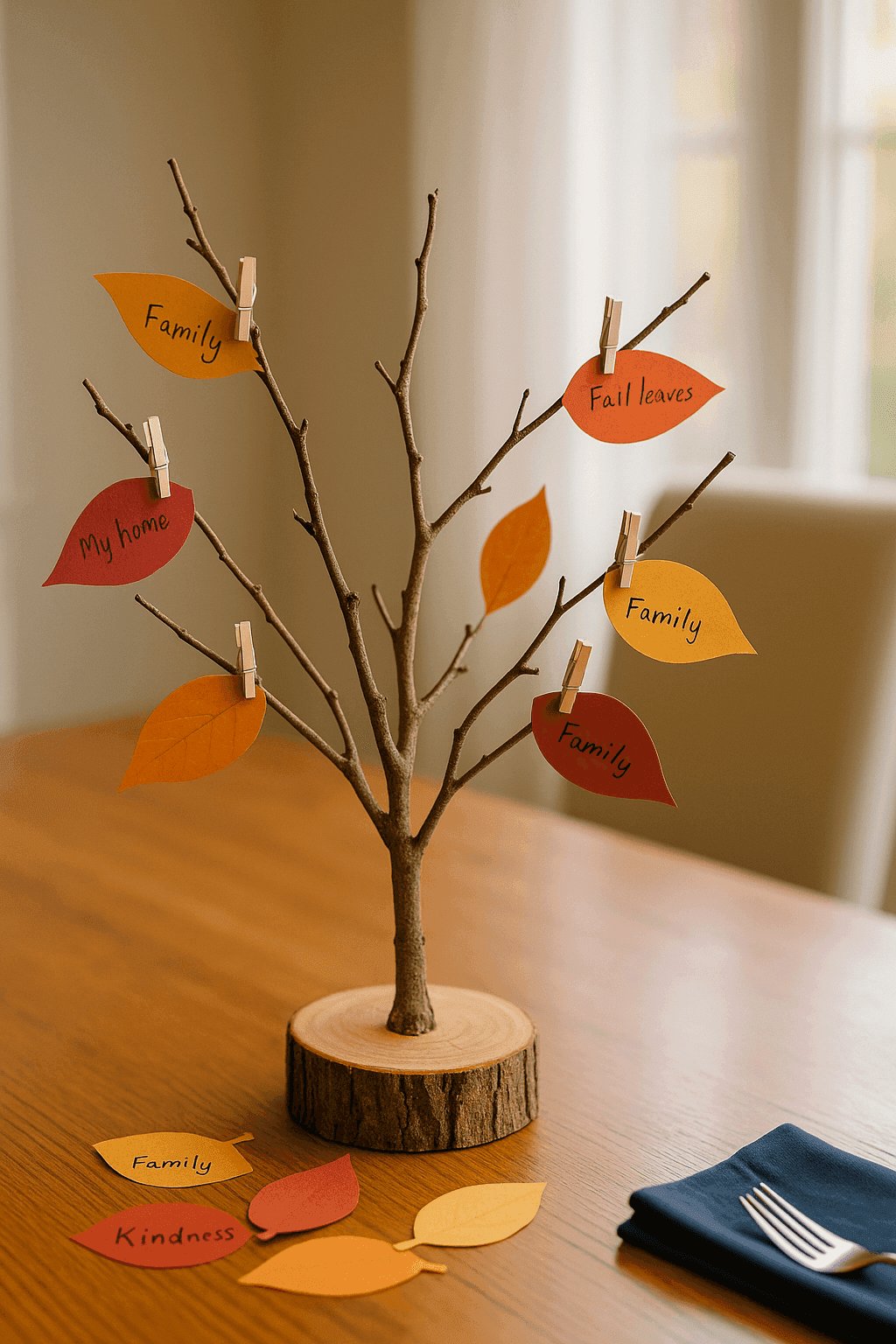
Thanksgiving often arrives in a blur of meal planning and travel logistics that completely overshadows the actual practice of gratitude the holiday is supposedly celebrating, but a wooden gratitude tree transforms the entire month of November into an intentional daily ritual where every family member contributes thankfulness reflections that accumulate into a beautiful, meaningful display. This tabletop project uses foraged branches secured in a simple wooden base, creating a sculptural tree structure where you attach small clothespins or wire holders that let family members clip on paper leaves with their daily gratitudes throughout the month. The build itself costs under $15 in materials if you're collecting branches yourself and using scrap wood for the base, takes about 2-3 hours to construct over a weekend, and creates an interactive centerpiece that becomes more beautiful and meaningful as November progresses and grateful thoughts accumulate on the branches. What makes this woodworking project so special is how it combines practical building skills with emotional and family connection—you're not just making a decorative object but creating a functional tool that facilitates genuine conversations about appreciation, teaches children to notice blessings rather than just demands, and preserves a record of your family's gratitude journey that becomes treasured documentation you'll revisit in future years. The visual transformation is powerful too, because you start November with bare sculptural branches that gradually fill with colorful handwritten leaves, creating a tangible representation of abundance and blessing that mirrors the holiday's themes far better than any store-bought decoration could achieve.
Building Materials
- Tree Structure:
- 3-5 interesting branches with multiple smaller offshoots (foraged, free)
- Look for branches 18-30 inches tall with character
- Dried branches work better than fresh for stability
- Mix thicker trunk branches with thinner decorative ones
- Wooden Base:
- Wood block or thick board (8x8 inches minimum, $5-10)
- Or repurpose scrap wood from other projects (free)
- Tree cookies (wood slices) for rustic look ($8-12)
- Needs to be heavy enough to keep branches upright
- Attachment Hardware:
- Mini clothespins (pack of 50-100, $4-6)
- Or thin wire for custom leaf holders ($2-3)
- Wood glue for securing branches ($4-5)
- Small screws or dowels for additional support ($2-4)
- Paper Leaves and Supplies:
- Cardstock in fall colors—red, orange, yellow, brown ($5-7)
- Leaf-shaped paper punch (optional, $8-12)
- Markers or pens for writing gratitudes
- Scissors for cutting leaf shapes
- Tools Required:
- Drill with various bit sizes
- Saw for trimming branch ends
- Sandpaper for smoothing wood base
- Pencil for marking drill locations
Construction Steps
- Collect and Prep Branches: Forage interesting branches from your yard or local parks, looking for pieces with multiple smaller offshoots that create visual interest and provide attachment points for clothespins—bring branches inside to dry completely for several days if they're freshly cut to prevent warping or cracking after assembly.
- Prepare Your Base: Cut or select a wood base that's substantial enough to support your branches without tipping (heavier is better for stability), then sand all surfaces smooth to remove splinters and rough edges—consider staining or painting the base if desired, though natural wood looks beautiful and authentic.
- Mark Drill Locations: Arrange your branches on the base in your desired configuration, marking where each branch will insert with pencil—position the tallest branch toward the back or center, surrounding it with shorter branches to create depth and a natural tree silhouette when viewed from the front.
- Drill Mounting Holes: Using a drill bit slightly smaller than your branch diameter, drill holes 2-3 inches deep at marked locations, angling some holes slightly outward to give branches a natural spreading appearance rather than all growing straight up like fence posts which looks stiff and unnatural.
- Trim and Shape Branches: Cut the bottom of each branch at a slight angle to create a pointed end that inserts easily into drilled holes, testing the fit and trimming more if needed until each branch sits firmly without wobbling—the angled cut also increases surface area for glue adhesion.
- Secure Branches Permanently: Apply generous amounts of wood glue to each branch base and hole interior before inserting branches into their designated positions, holding each firmly for 30-60 seconds, then let the entire assembly dry overnight undisturbed—add small screws from underneath the base for extra security if working with heavy branches.
- Attach Clothespins: Once glue is fully cured, clip mini clothespins onto various branches throughout your tree, spacing them so family members can easily add leaves without overcrowding—aim for 20-30 clothespins total to accommodate daily additions throughout the month without the tree looking sparse initially.
- Create Paper Leaves: Cut leaf shapes from autumn-colored cardstock using scissors or a paper punch, making 50-100 leaves in various colors so family members have options throughout November—pre-cut leaves remove barriers to participation since people can grab a leaf and write immediately rather than crafting before contributing.
Family therapists who use gratitude practices recommend the "question prompt" system that dramatically increases participation quality beyond generic "I'm thankful for my family" responses. Create a small card or sign near your tree with specific daily prompts like "What made you smile today?", "Name someone who helped you this week," "What's a small comfort you appreciated today?", or "What challenge taught you something valuable?" These focused questions guide people toward thoughtful specific gratitudes rather than abstract generalities, making the activity more meaningful and creating responses worth preserving. For maximum visual impact, use a color-coding system where each family member has their own designated leaf color—perhaps orange for dad, yellow for mom, red for one child, brown for another. This creates a beautiful visual pattern as November progresses, lets you see at a glance who's participating regularly, and becomes a lovely ombre effect when leaves of different colors cluster naturally on branches. The construction upgrade that makes this tree a true heirloom piece is using a hardwood base like walnut, oak, or maple that you finish with natural oil or polyurethane, then wood-burning each family member's name into the base along with the year. This transforms a seasonal craft into a permanent family tradition piece you bring out every November, with the option to photograph each year's collection of gratitude leaves before storing them in a special box or album that becomes a cherished record of your family's blessings and growth over the years. Some families even keep the same branches year after year, finding meaning in using the identical tree structure annually while the gratitudes and family circumstances evolve around it.