Budget Luxe: $2 Planters That Look Like $30 Concrete
Transform dollar store plastic into trendy industrial-style planters
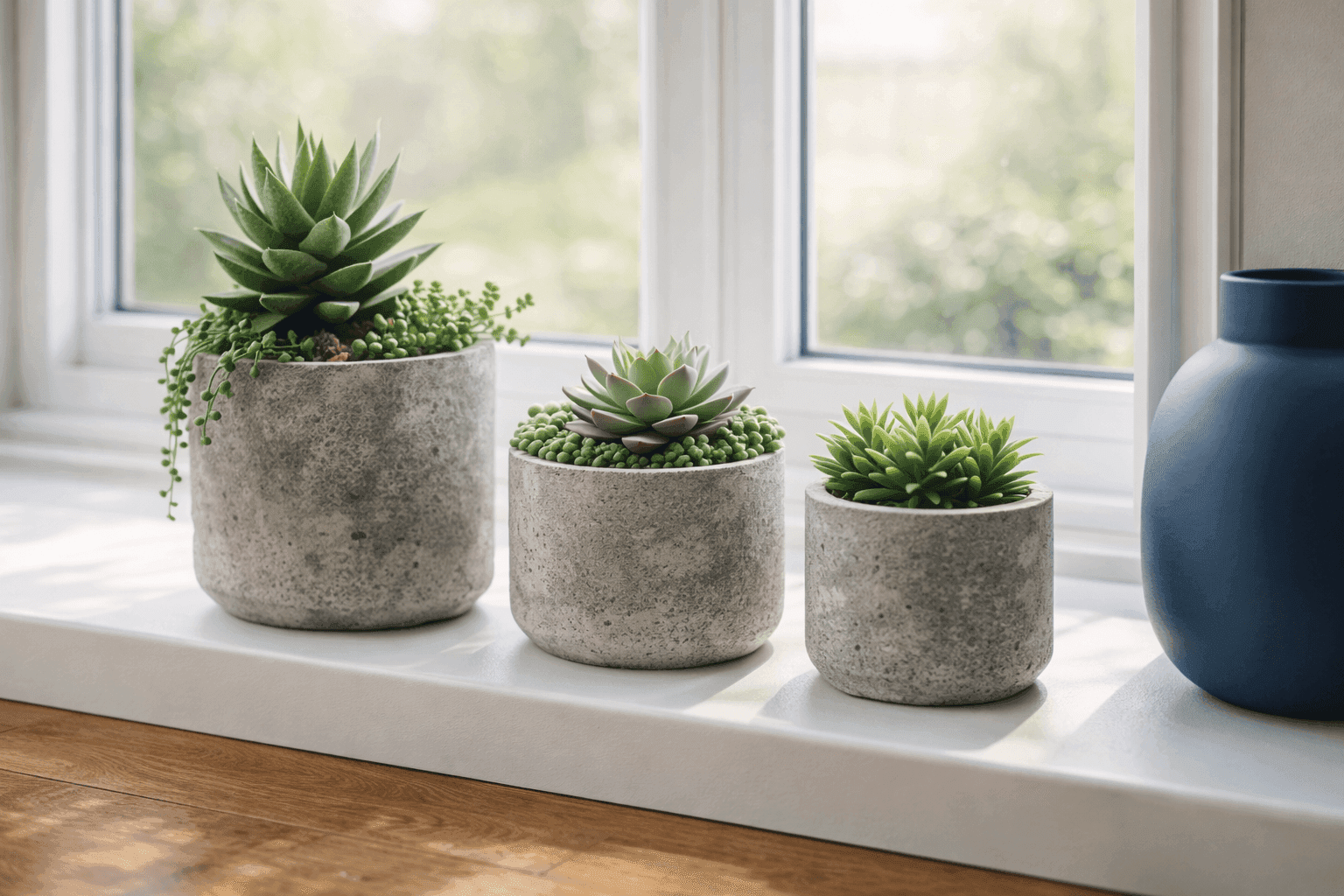
The modern industrial aesthetic has made concrete planters wildly popular, but retail prices of $30-50 for what's essentially a cement pot feel ridiculous when you know what actual materials cost. Dollar store plastic planters provide the perfect canvas for creating convincing faux concrete finishes that fool guests into thinking you splurged on expensive home décor. The secret is layering different shades of gray paint with a sponging technique that mimics concrete's natural color variation and texture, creating depth that flat paint could never achieve. This isn't a craft project that screams "I made this from cheap materials"—when done properly with attention to realistic variation, these planters genuinely pass for the real thing from just a few feet away. At under $2 per planter including paint that covers multiple pots, you can create an entire collection in graduated sizes for less than the cost of one boutique concrete planter. The lightweight plastic underneath is actually a feature rather than a bug, making these planters easier to move and rearrange than their heavy ceramic counterparts while looking equally sophisticated grouped together on windowsills, shelves, or outdoor tables filled with succulents, herbs, or small houseplants.
What You'll Need
- Planter Foundation (under $5 total):
- Basic plastic planters from dollar store in any sizes
- Multiple sizes for graduated groupings look best
- Simple shapes work better than ornate designs
- Paint Supplies ($8-12, covers many planters):
- Light gray spray paint as base coat
- Dark gray acrylic craft paint
- White and charcoal acrylic paint for depth
- Matte spray sealer for protection
- Application Tools:
- Natural sea sponge for texture (kitchen sponge works too)
- Paper plates or palette for mixing colors
- Optional: actual concrete mix for authentic grit
- Optional: stone textured spray paint
Create the Look
- Prepare your plastic planters by washing thoroughly with soap and water to remove any oils or residue that prevent paint adhesion, then dry completely before starting your transformation.
- Apply 2-3 light coats of gray spray paint as your base, allowing each coat to dry completely between applications—this even foundation is crucial for achieving realistic concrete coloring rather than obvious plastic showing through.
- Dampen your sea sponge slightly and dip it in dark gray acrylic paint, then dab randomly across the planter's surface to create natural variation and texture that mimics how real concrete appears mottled and uneven.
- Layer additional colors by dabbing touches of white paint in some areas and charcoal in others, building depth and realism through multiple shades rather than relying on flat single-tone coverage that screams fake.
- Vary your sponging pressure and coverage intentionally—real concrete isn't uniform, so some areas should be lighter, some darker, with irregular patterns that feel organic rather than deliberately designed.
- Add optional authentic texture by lightly misting the still-tacky paint with actual concrete mix dust or using stone textured spray paint, which creates subtle grit that elevates the illusion from good to genuinely convincing.
- Seal your finished planters with matte spray sealer once completely dry, protecting your paint job from moisture and handling while maintaining that flat, non-glossy finish that distinguishes concrete from plastic or ceramic.
- Group multiple planters in graduated sizes together on windowsills or shelves, filling them with succulents or small houseplants to complete the modern industrial aesthetic that makes your budget hack look like intentional design investment.
Interior designers create cohesive collections by making 3-5 planters at once in the same painting session, which naturally creates subtle variations while maintaining family resemblance—exactly how actual concrete planters from the same batch would look. For even more realism, study real concrete photos before you start and notice how shadows collect in recessed areas while raised surfaces catch more light—you can recreate this by concentrating darker paint in indentations and lighter tones on prominent areas. If your dollar store carries terra cotta-colored plastic pots, these actually create more convincing faux concrete than white or bright colored bases because the warm undertone shows through subtly like aged cement. The biggest mistake beginners make is over-sponging with too much contrast—step back frequently and assess from several feet away rather than scrutinizing from inches away, because that's how guests will actually view your planters in their final styled locations.