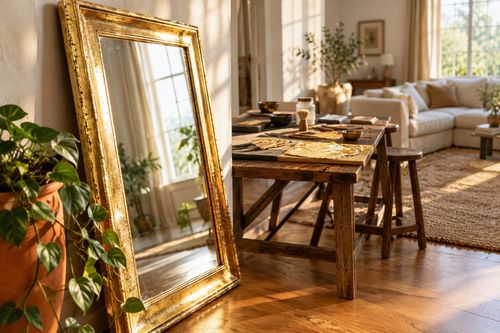
Brighter Days: Strategies to Amplify Natural Light in Any Space
Transform dark rooms into sun-filled havens with these light-enhancing techniques
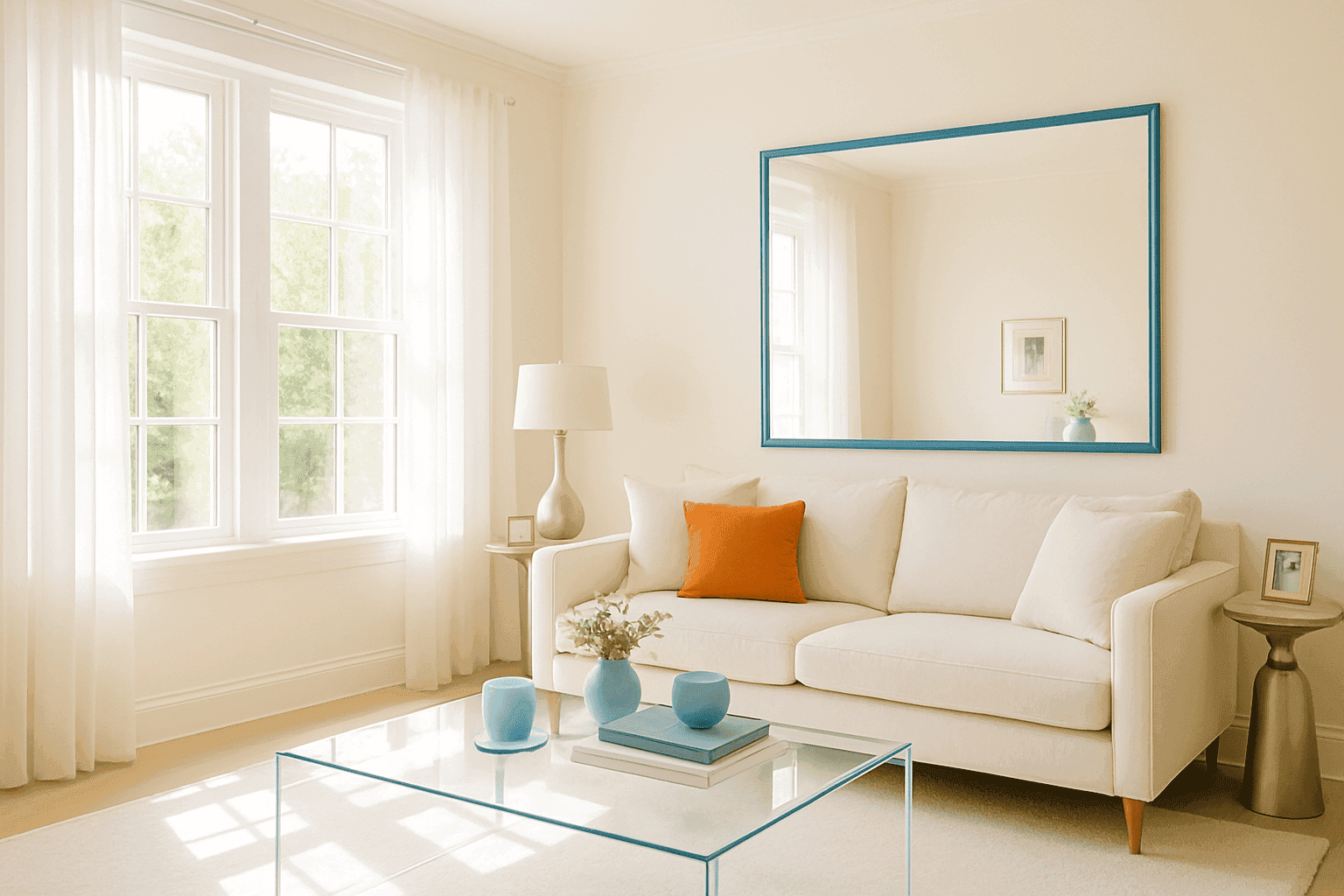
Natural light transforms interior spaces—making rooms appear larger, elevating mood, reducing energy costs, and showcasing your home's colors and textures as they were meant to be seen. Even if your home wasn't designed with optimal windows or favorable exposures, strategic design choices can dramatically increase the natural illumination in your spaces. From simple window treatment adjustments to thoughtful furniture placement and reflective surfaces, these techniques can help you maximize whatever natural light is available to create brighter, more uplifting rooms.
Light-Enhancing Elements
| • Strategically placed mirrors |
| • Light-filtering window treatments |
| • Glass or translucent furniture |
| • Reflective surfaces and finishes |
| • Light wall and ceiling colors |
| • Glossy painted surfaces |
| • Metallic accents and fixtures |
| • Transparent or light window screens |
Implementation Strategy
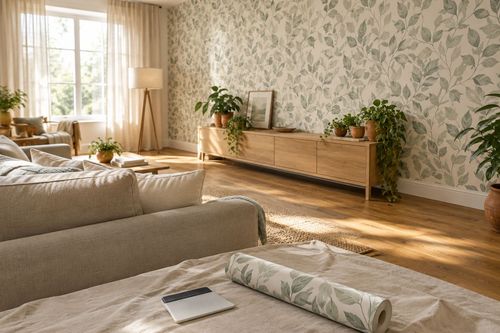
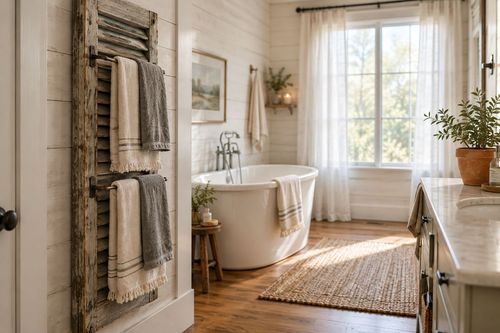
- Optimize window treatments: Replace heavy, light-blocking curtains with sheer or light-filtering options that allow sunshine to penetrate while maintaining privacy. Consider top-down, bottom-up shades that let light in from above while preserving privacy below.
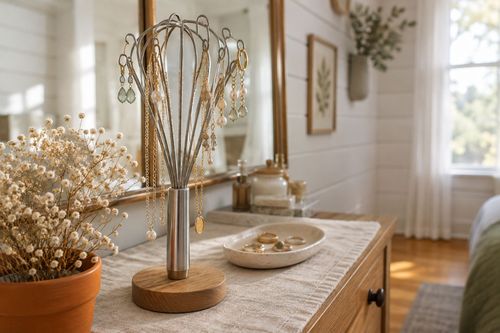
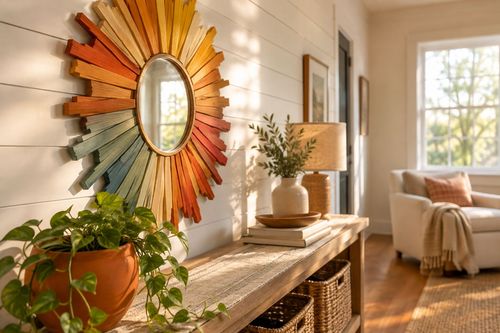
- Position mirrors strategically: Place large mirrors directly across from windows to effectively double the natural light entering the room. Angled mirrors can redirect light into dark corners, while mirrored furniture and accessories create additional reflective surfaces.
- Choose light-enhancing colors: Paint walls in high-reflectance shades like soft whites, pale grays, or light neutrals with warm undertones. For maximum brightness, extend the same light color to ceilings and trim to eliminate visual barriers.
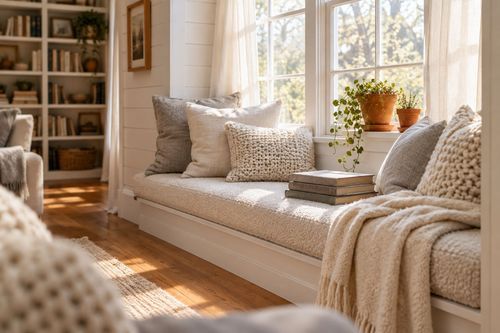
- Arrange furniture thoughtfully: Position large pieces perpendicular to windows rather than parallel to avoid blocking light flow. Choose lower-profile furniture when possible, and opt for pieces with legs that allow light to pass underneath rather than heavy pieces that extend to the floor.
- Incorporate reflective elements: Integrate glossy finishes, metallic accents, glass tabletops, and polished surfaces throughout your space to bounce and amplify available light. Even small details like crystal knobs or metallic picture frames contribute to the overall luminosity.
Don't overlook the impact of regular window cleaning—even a thin film of dust can significantly reduce natural light transmission. For rooms with minimal natural light, choose a paint finish with slight sheen (eggshell or satin rather than flat) as it reflects more light while still hiding wall imperfections. When working with north-facing rooms that receive cooler, bluish light, counter the effect by selecting warm-toned whites and creams with yellow or peach undertones rather than stark whites or cool grays which can make the space feel chilly and dim. Finally, consider glass or translucent room dividers instead of solid walls when renovating to allow light to flow between spaces while still defining separate functional areas.