Bottle Brilliance: Craft Frosted Winter Luminaries From Empties
Transform recycling into elegant light that makes every surface glow like winter magic
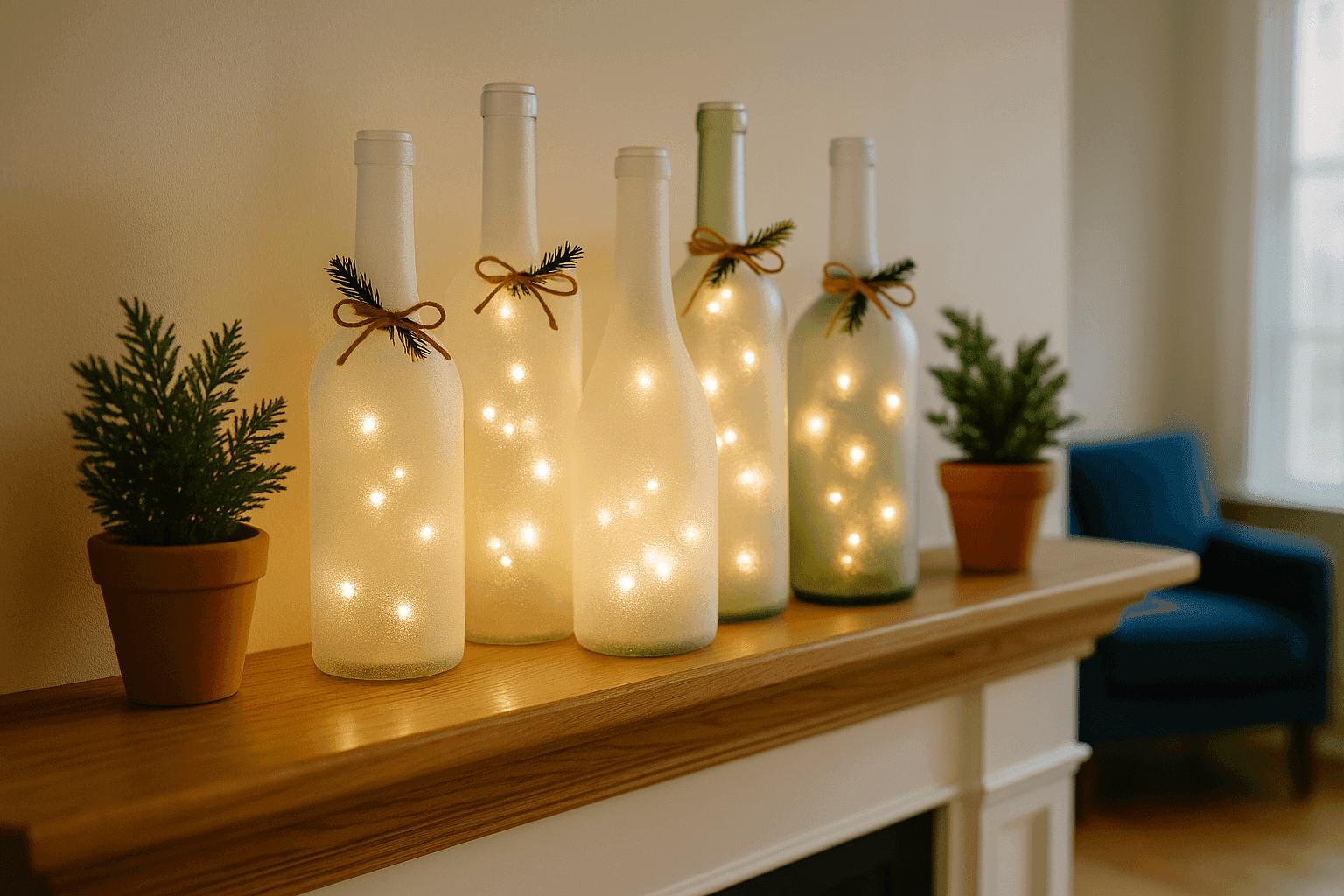
Those empty wine bottles you've been tossing in the recycling bin are about to become the most elegant lighting feature in your holiday decor lineup—transforming from glass destined for the landfill into frosted winter luminaries that cast enchanting ambient glow across mantels, windowsills, and dining tables. The magic happens through a simple frosting technique using spray paint or an Epsom salt mixture that transforms clear glass into translucent surfaces that diffuse fairy light into soft, dreamy illumination reminiscent of snow-covered windows catching candlelight. This project costs under $20 if you're starting with bottles you already have, takes about an hour including drying time, and creates sophisticated decor that guests genuinely think you purchased from expensive boutiques rather than crafted from last week's empty Chardonnay bottles. The beauty is in the versatility—different bottle shapes create varied silhouettes when clustered together, green glass produces warmer tones than clear when frosted, and the height variation from wine bottles naturally creates dimensional displays without requiring additional styling effort. Whether you're creating a mantel installation, a romantic windowsill scene, or an elegant centerpiece runner down your dining table, these luminaries bring that upscale winter atmosphere that makes ordinary spaces feel special enough for memorable gatherings.
What You'll Need
- Bottle Materials:
- Empty wine bottles, cleaned and dried (3-5 bottles)
- Mix clear and colored glass for variety
- Vary heights and shapes for visual interest
- Goo Gone or rubbing alcohol for label removal
- Frosting Options:
- Frosted glass spray paint ($6-10 per can)
- OR Epsom salt (1 cup) + Mod Podge (1/2 cup) for sparkle effect ($8-12 total)
- Newspaper or drop cloth for spray protection
- Foam brush if using salt mixture
- Lighting Elements:
- Battery-operated fairy light strings, 1 per bottle ($3-5 each)
- Warm white or cool white based on desired ambiance
- Cork-top light sets work beautifully
- Optional Enhancements:
- Twine or ribbon for neck decoration
- Artificial snow spray for extra texture
- Clear sealer for durability
Creation Steps
- Clean bottles thoroughly by soaking them in hot soapy water to loosen labels, then scrubbing away remaining adhesive with Goo Gone or rubbing alcohol until glass is completely smooth and residue-free.
- Dry bottles completely inside and out, ensuring no water droplets remain since moisture interferes with paint adhesion and can damage battery-operated lights you'll add later.
- Protect your work surface with newspaper or drop cloth, then position bottles in a well-ventilated area or outdoors where overspray won't damage surrounding surfaces or create fumes in enclosed spaces.
- Apply frosted glass spray paint in 2-3 thin, even coats from 10-12 inches away, rotating bottles to achieve complete coverage while avoiding drips that occur when applying one thick coat instead of multiple light ones.
- Alternative technique: mix Epsom salt with Mod Podge to create a paste, then brush onto bottles in random patterns for a sparkly crystalline snow effect rather than uniform frosting—this creates more texture and dimension.
- Let bottles dry completely for 2-4 hours depending on coating thickness and humidity, ensuring the finish is fully cured before handling or inserting lights to prevent smudging your careful work.
- Insert battery-operated fairy light strings into each bottle, feeding the wire down carefully and arranging lights so they distribute evenly throughout rather than bunching at the bottom or clumping together.
- Position battery packs at bottle openings or use cork-top light sets where the pack integrates into a decorative cork, hiding utilitarian elements while keeping lights easily accessible for turning on and off.
- Arrange your luminaries in clusters of 3-5 bottles on mantels, windowsills, or as dining table centerpieces, varying heights and spacing to create balanced groupings that feel curated rather than randomly placed.
Professional stylists create more dramatic lighting effects by leaving the bottom third of bottles clear when applying frosted finish, which allows stronger light output at the base while creating a gradient effect that mimics snow accumulation. For extra elegance, wrap jute twine or velvet ribbon around bottle necks and tuck in small sprigs of artificial pine or eucalyptus, which hides the utilitarian battery pack area while adding festive textural detail. Green wine bottles produce warmer, cozier light when frosted compared to clear glass which gives cooler, icier tones—consider this when choosing bottles based on whether you want cozy farmhouse ambiance or crisp winter sophistication. If you're creating centerpieces for dining tables, use taller champagne or prosecco bottles in the center flanked by shorter wine bottles, creating height variation that allows conversation across the table while maintaining visual interest. The Epsom salt technique offers one major advantage over spray paint: you can create ombre effects by applying heavier salt coverage at the bottom that gradually thins toward the top, mimicking natural snow drift patterns that look incredibly realistic when backlit. Store your luminaries with lights removed and bottles wrapped in bubble wrap or newspaper, and the frosted finish will last for years of reuse, making the cost-per-use essentially free after the first season. The ultimate styling trick is positioning luminaries where they'll catch both natural daylight and artificial evening light—frosted bottles look beautiful even when unlit during the day, displaying that elegant winter white aesthetic, then transform into magical glowing features once you turn on the fairy lights as darkness falls.