Bold and Glamorous Leopard Print Lampshade Upgrade
Transform boring lampshades with chic leopard print fabric and gold trim for year-round statement lighting
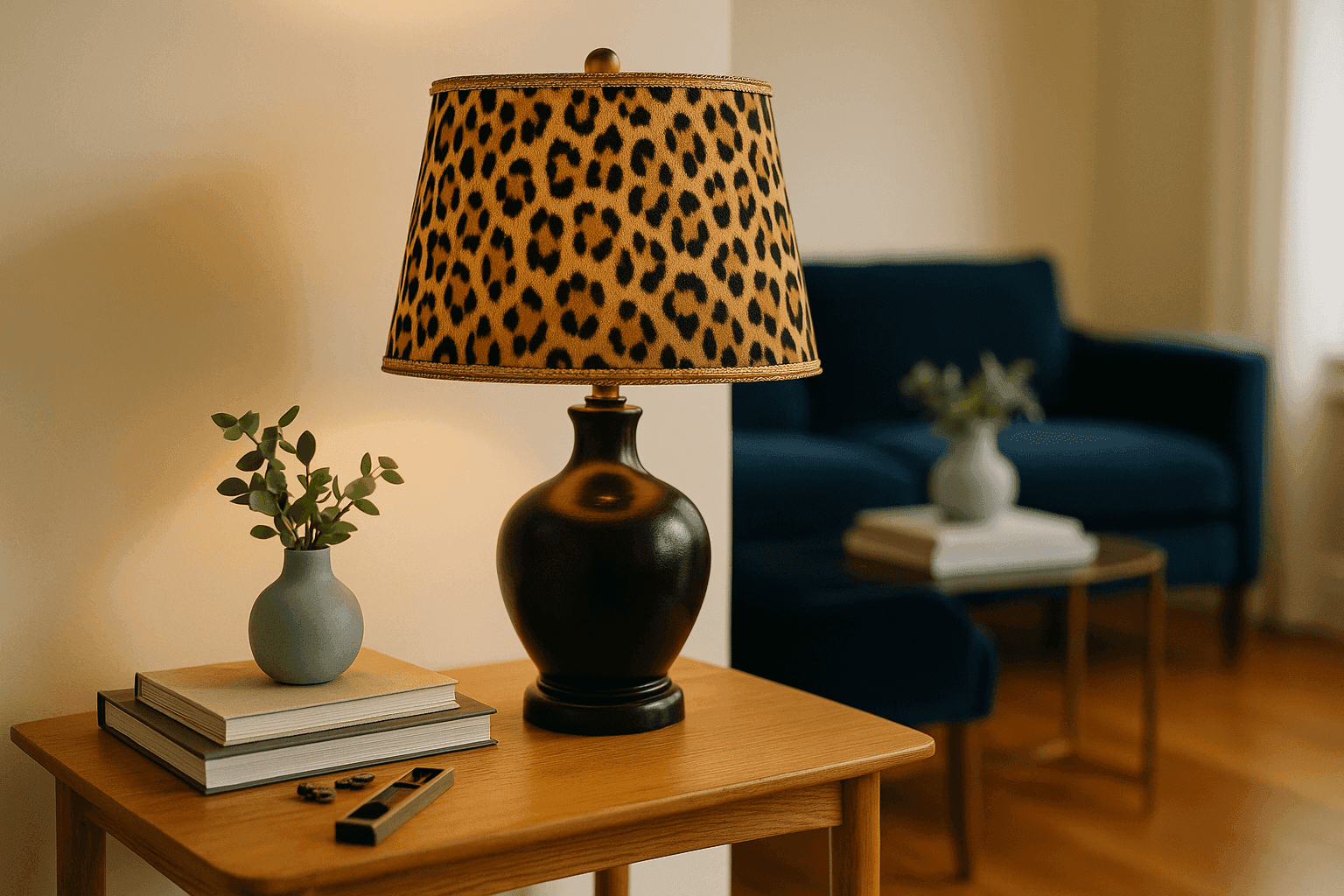
I'll admit it—when I first considered leopard print lampshades, I worried they'd be too bold or look tacky, but the moment I installed my first one, I was absolutely hooked by how sophisticated and luxurious they make a space feel. Leopard print has transcended trendy animal print territory to become a genuine neutral in interior design, working beautifully from fall through holiday season and honestly year-round in the right spaces. This project costs $15-25 per shade depending on fabric choice and takes about an hour once you get your technique down, transforming boring builder-grade lamps into designer statement pieces that look like they came from an upscale boutique. The gold trim detail elevates the look from craft project to couture, catching light beautifully and adding that touch of glamour that makes guests ask where you bought such fabulous lamps. I've done this makeover on table lamps, floor lamps, and even pendant shades, and each time I'm amazed at how such a simple update can completely change a room's personality from bland to bold.
What You'll Need
- Covering Materials:
- Leopard print fabric (1/2 yard per standard lampshade)
- Or leopard print adhesive contact paper for easier application
- Choose smaller-scale prints for table lamps, larger for floor lamps
- Cotton or cotton-blend fabric works best for heat safety
- Adhesive & Trim:
- Fabric glue or spray adhesive
- Double-sided tape for clean edges
- Gold metallic trim or ribbon (gimp trim recommended)
- Hot glue gun for attaching trim
- Tools & Supplies:
- Plain lampshade in good condition (or new basic shade)
- Scissors or rotary cutter
- Measuring tape
- Pencil for marking
- Craft brush or foam roller for smoothing
- Total Cost: $15-25 per lampshade
Makeover Steps
- Measure your shade by rolling it across your fabric while marking a line with pencil to determine the circumference, then measure the height and add 1 inch to each dimension for overlap and trimming. Accurate measurements prevent fabric waste and ensure proper coverage.
- Cut the fabric following your measurements, using sharp scissors or a rotary cutter for clean edges that won't fray during application. If using contact paper instead, this step is much more forgiving since you can trim as you go.
- Prepare the shade by cleaning it thoroughly with a lint roller or damp cloth to remove dust and oils that could prevent adhesive from bonding properly. Starting with a pristine surface ensures your fabric adheres smoothly without bubbles or lifting.
- Apply adhesive by spraying the back of your fabric in a well-ventilated area or brushing fabric glue onto the shade itself in sections, working quickly before it dries. For contact paper, simply peel back a few inches of backing at a time as you apply.
- Attach fabric carefully by starting at the shade's seam and slowly rolling the shade across the fabric, using your hands or a craft brush to smooth out air bubbles and wrinkles as you go. Work deliberately—rushing this step creates permanent ripples that ruin the polished look.
- Trim excess fabric once you've wrapped the entire circumference, leaving about 1/4 inch overlap at the seam which you'll glue down neatly. Cut away fabric extending beyond top and bottom edges, leaving just 1/2 inch to fold over the wire frames.
- Finish the edges by folding that excess fabric over the top and bottom wire frames and securing with double-sided tape or hot glue, clipping small notches in the fabric every inch or so to help it curve smoothly around the frame without bunching.
- Add gold trim by hot-gluing metallic gimp, ribbon, or braid along the top and bottom edges where fabric meets the frame, which conceals any imperfect folding while adding that luxe finishing detail. Start at the back seam and work your way around for the cleanest join.
Interior designers know that leopard print works as a sophisticated neutral when you follow the "rule of one" in each room—meaning one leopard print element maximum, whether that's a lampshade, pillow, or chair upholstery. The key to making animal print feel elevated rather than costume-y is pairing it with refined materials and restrained colors: think black lamp bases, white walls, navy velvet sofas, and brass accents. For the most professional finish, consider lining the inside of your shade with white or cream fabric before applying the leopard exterior, which prevents the print from showing through when the lamp is lit and creates a cleaner, more luminous glow. Professional lampshade makers also use a technique called "double-rolling" where you apply a thin strip of fabric horizontally around the shade first to cover the vertical seam, then apply your main fabric over it—this completely hides the join and looks seamless from every angle.