Black Gold: Start Composting Now for Fall Garden Magic
Transform kitchen scraps and yard waste into nutrient-rich fertilizer that will revolutionize your garden's health and productivity
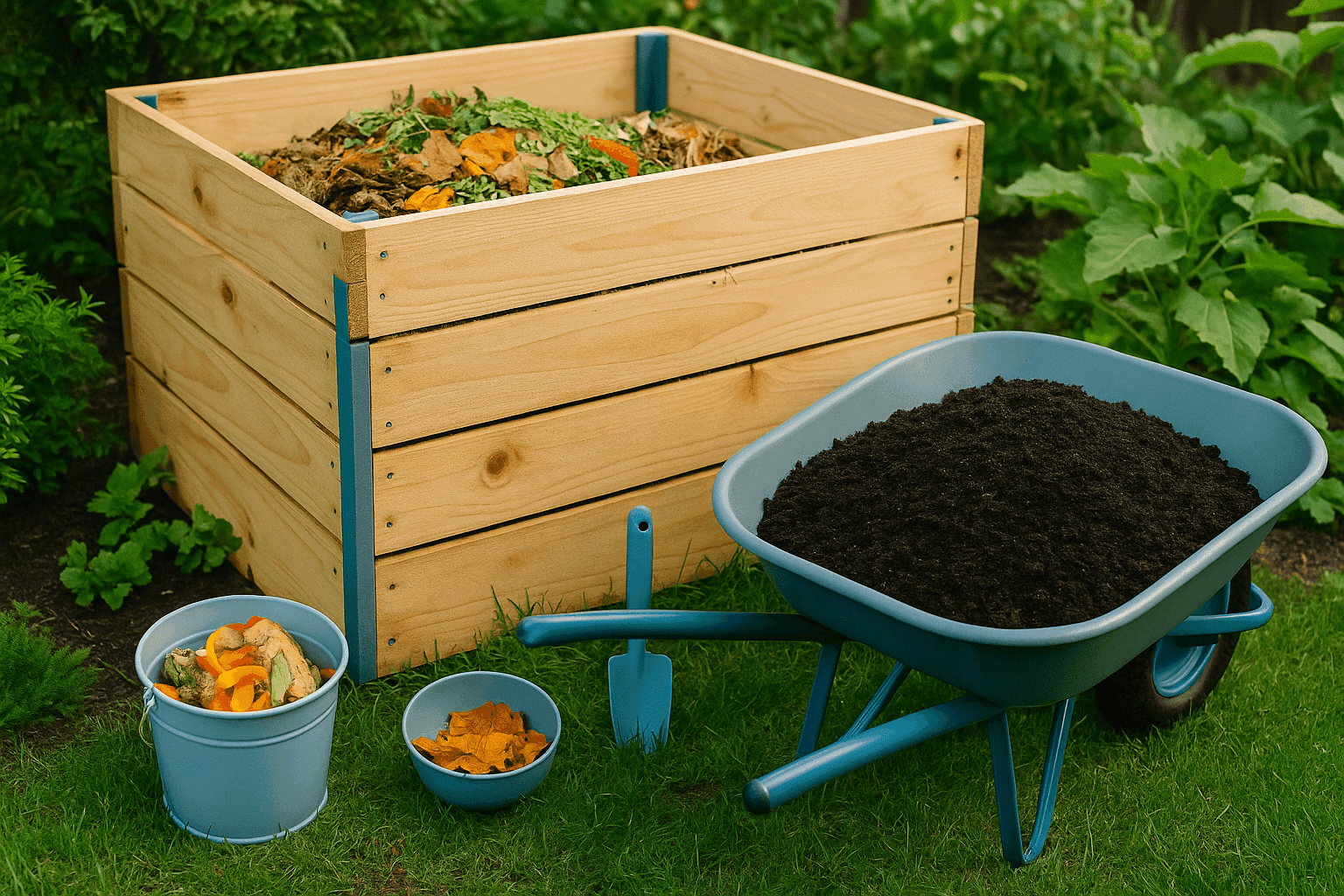
There's something almost magical about watching kitchen scraps and yard clippings transform into rich, dark soil that makes plants grow like they're on steroids – it's like having your own personal alchemy lab right in the backyard. I started my first compost bin three years ago mainly to reduce waste, but when I saw how my vegetables responded to that first batch of homemade "black gold," I became completely obsessed with this natural recycling miracle. The beauty of composting lies in its elegant simplicity; you're essentially mimicking nature's own recycling system, turning what would otherwise be trash into the most valuable soil amendment money can't buy. Whether you're dreaming of prize-winning tomatoes, vibrant flower beds, or just want to reduce your household waste while creating something incredibly useful, starting a compost system now means you'll have rich, plant-loving fertilizer ready just in time for fall planting season. Once you see how composting transforms both your garden and your relationship with waste, you'll wonder why you waited so long to start this incredibly rewarding and surprisingly simple process.
Compost Essentials
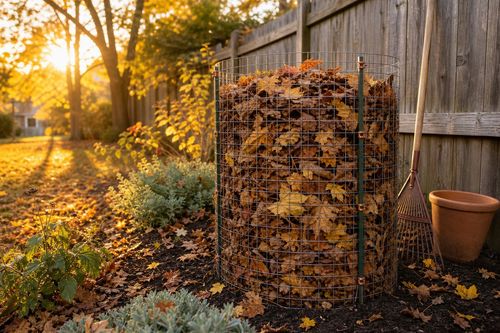
- Bin System: DIY wooden pallets, plastic bins, or wire compost containers ($20-80)
- Brown Materials: Dry leaves, cardboard, newspaper, paper bags (free-$10)
- Green Materials: Kitchen scraps, grass clippings, coffee grounds (free from daily waste)
- Basic Tools: Pitchfork or shovel for turning, garden hose for moisture ($15-40)
- Kitchen Collection: Small countertop compost container with lid ($10-30)
- Thermometer: Compost thermometer to monitor temperature ($15-25)
- Activator (Optional): Compost starter or finished compost to speed process ($8-20)
- Screening Tools: Hardware cloth or screen for sifting finished compost ($10-25)
Setup Process
- Choose location with partial shade, good drainage, and easy access
- Build or install your compost bin system in the designated area
- Start with a base layer of coarse brown materials like twigs or cardboard
- Layer green and brown materials in roughly 1:3 ratio for optimal decomposition
- Add water to maintain moisture level of a wrung-out sponge
- Turn pile every 2-3 weeks to provide oxygen and speed decomposition
- Monitor temperature and moisture, adjusting materials as needed
- Harvest finished compost in 3-6 months when it's dark and crumbly
Professional composters accelerate the process using the "hot compost" method – maintain your pile between 140-160°F by ensuring proper carbon-to-nitrogen ratios and adequate oxygen flow. The secret is creating a three-bin system: one for collecting new materials, one for active composting, and one for finished compost. This allows continuous production and easier management. Also, chop or shred larger materials before adding them to speed decomposition – smaller pieces break down faster. Remember the "lasagna method": alternate thin layers of green (nitrogen-rich) and brown (carbon-rich) materials rather than dumping large amounts of one type. If you're starting now, you'll have rich compost ready for fall garden prep, but even "slow" compost improves your soil immediately when worked in partially decomposed.