Beat the Heat: Install Attic Ventilation
Slash your AC bills and transform your stuffy attic into a cooling powerhouse with proper airflow!
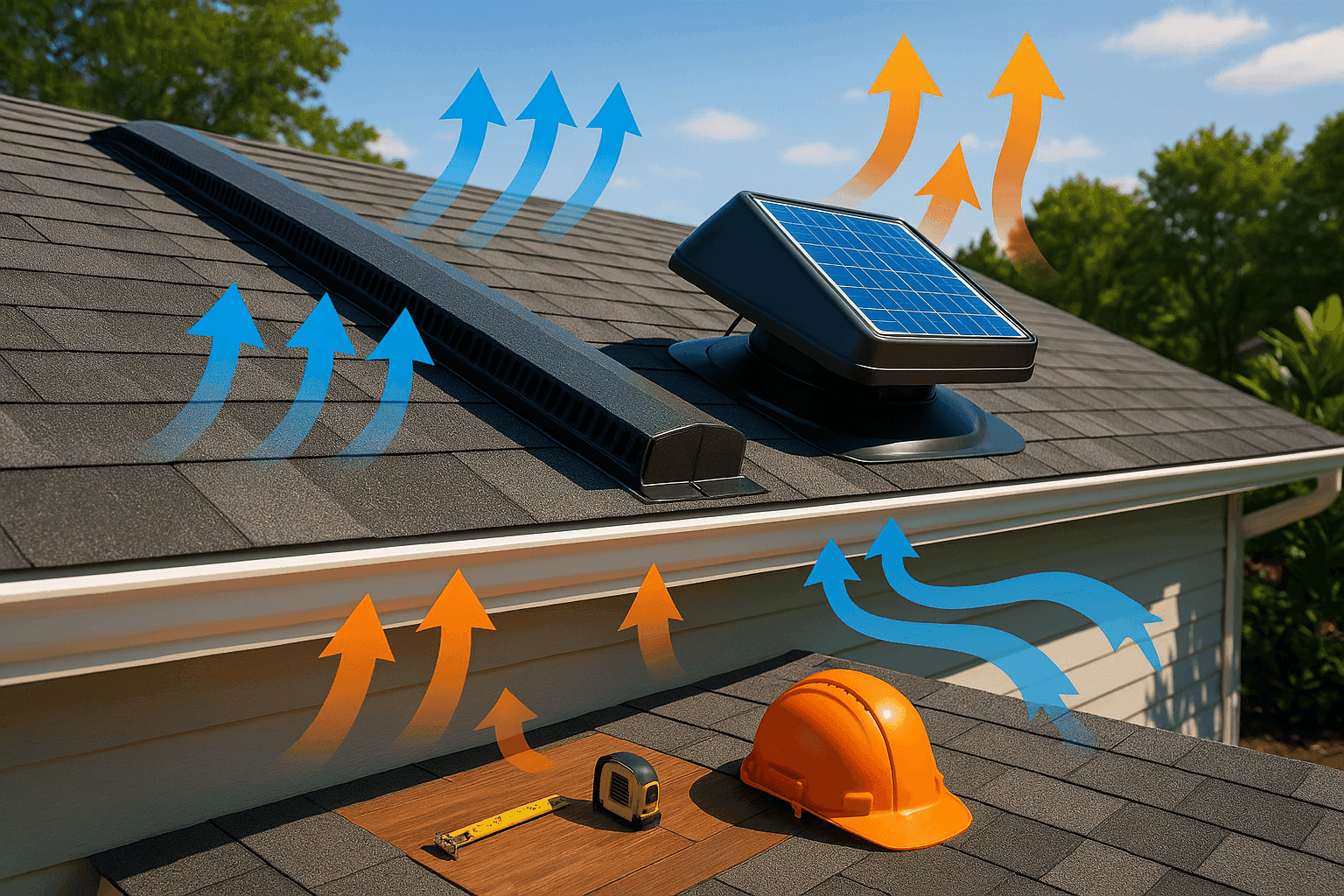
Your attic might be the secret reason your AC bill is through the roof – literally! When I installed proper ventilation in my 1,800-square-foot home three summers ago, my energy bills dropped by $40-60 per month during peak season. That's because a poorly ventilated attic can reach 150°F or higher, turning your entire ceiling into a giant radiator that forces your AC to work overtime. Installing attic ventilation is like giving your house the ability to breathe properly – hot air gets pushed out, cooler air flows in, and your whole home becomes more comfortable. This weekend project costs $100-300 depending on your setup, but it typically pays for itself within the first summer of use.
What You'll Need
- Ventilation Options: Ridge vent system (~$150-200) OR powered exhaust fan (~$100-150) OR solar-powered fan (~$200-300)
- Intake Vents: Soffit vents for proper airflow balance (~$30-50 total)
- Tools: Reciprocating saw, drill with bits, measuring tape, chalk line, safety harness
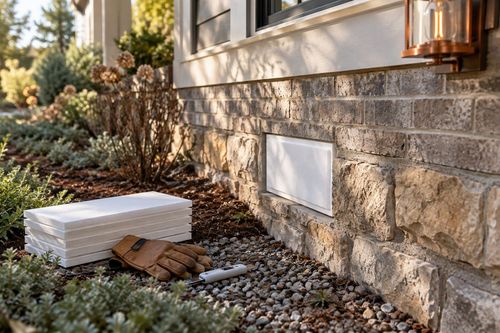
- Installation Hardware: Roofing nails, screws, caulk, flashing material
- Safety Equipment: Non-slip shoes, work gloves, safety glasses, ladder or roof jacks
- Weatherproofing: Roofing cement, weatherstripping, appropriate sealants
Step-by-Step Method
- Calculate your ventilation needs using the 1:300 rule (1 sq ft of vent per 300 sq ft of attic space)
- Inspect current airflow by checking for existing vents and identifying hot spots in your attic
- Choose your system type based on roof style, budget, and local climate conditions
- Mark installation locations ensuring proper placement away from roof penetrations and structural elements
- Cut openings carefully using templates provided with your vent system, following manufacturer specs exactly
- Install intake vents at soffits first to establish proper airflow direction from low to high
- Mount exhaust vents or fans at roof peak, sealing thoroughly against weather infiltration
- Test airflow with tissue paper or smoke to confirm proper air movement throughout attic space
HVAC professionals swear by the "balanced ventilation" approach: you need equal amounts of intake (soffit vents) and exhaust (ridge or gable vents) for maximum efficiency. Many DIYers focus only on exhaust and wonder why their system doesn't work well. Also, consider a solar-powered fan with a thermostat – it automatically kicks on when attic temps hit 80°F and costs nothing to operate, making it the ultimate set-and-forget solution!